Berlin's Peace Council unites activists against Germany's military expansion and conscription plans
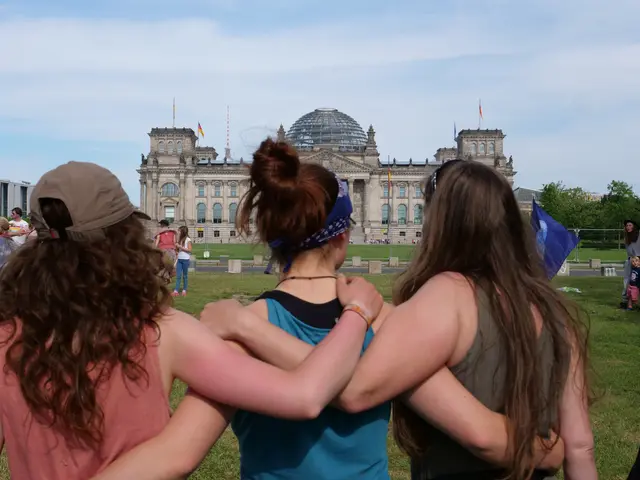
Over the weekend, activists and union members gathered for the 32nd Peace Policy Council in Berlin. The event, held under the theme Resistance to War and War Preparations, brought together long-standing campaigners and new faces to discuss Germany's shifting military policies. Meanwhile, tensions rose as reports emerged of restrictions on anti-war statements within public institutions. The conference kicked off with a performance by Philipp Hoffmann, a street musician who set the tone with an anti-war anthem. Among the speakers was Ulrike Eifler, a member of the Left Party's executive board, who highlighted the difficulties of pushing anti-militarist agendas inside trade unions. The discussions also explored how unions could play a stronger role in opposing militarisation.
Ingar Solty, a political economist, argued that Germany's recent military expansion follows a strategy of *war Keynesianism*—using defence spending to stimulate the economy. This approach, he claimed, is driving the country's growing investment in arms and conscription plans. The council's central debate focused on identifying forces within Germany capable of resisting these trends. Against this backdrop, Defence Minister Boris Pistorius is moving forward with plans to reintroduce conscription. Draft registration is scheduled to start in 2027. The timing of the policy has intensified concerns among anti-war groups, who see it as part of a broader crackdown on dissent. At Berlin's Free University, the ver.di works council was recently blocked from publishing an anti-militarist resolution, further fuelling fears of repression. Organisers noted that a quarter of this year's attendees were first-time participants, signalling fresh interest in the movement. Yet the challenges remain steep, as activists grapple with legal restrictions and shrinking spaces for opposition.
The 32nd Peace Policy Council wrapped up with a call for stronger coordination between unions, activists, and political groups. Conscription plans and rising defence budgets now set the stage for further clashes over Germany's military direction. For many at the conference, the next step is turning debate into action before the 2027 draft registration begins.