Hesse's bold plan to revolutionise emergency medical services with digital reforms
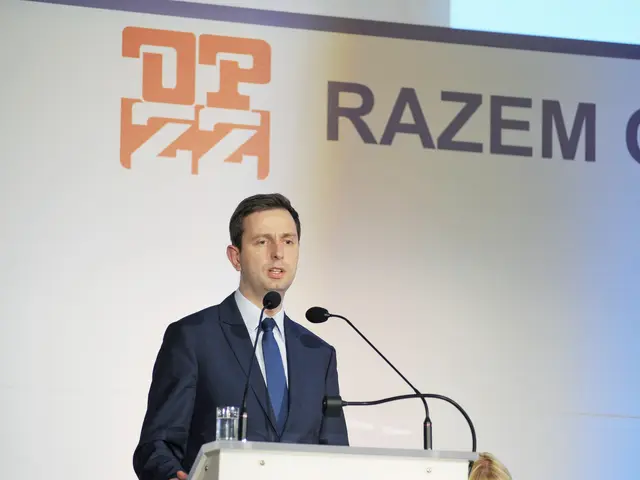
On the occasion of an exchange of views with the state fire brigade association on the topic of control centers in emergency medical services, Health Minister Diana Stolz emphasized that emergency medical services must be considered and involved in all reforms. "We are in the midst of numerous reforms in the healthcare system, including a far-reaching hospital reform and an emergency reform. Here, we focus on close coordination between hospitals, the outpatient sector, ground-based emergency medical services, and air rescue. Close coordination with the fire services, especially with regard to control centers and their mandate for hazard prevention, is also a very important aspect here. "It is important to consider the particularities of Hesse," Stolz stressed.
Emergency system in Hesse
The emergency system in Hesse currently comprises 26 emergency medical service areas with a total of around 300 emergency stations, 25 central control centers with three different dispatch systems, 24 medical control centers for emergency medical services (MLRD), and four air rescue centers in Kassel, Fulda, Gießen, and Frankfurt. The central control centers are also active in the non-police hazard prevention alongside the emergency medical services.
Due to their integrated function, the interests of various parties must be considered in the reforms. Around 1.3 million deployments (emergency rescue and patient transport) were carried out in the emergency medical services last year.
"It is important to me that emergency personnel not only respect their daily service but also recognize: Hesse acts in their interest. We need not only more training but also, above all, sustainable structures that ensure, above all, the improvement of emergency care, but also the working conditions for our deployment forces," said Stolz. For the future, there must be more clear regulations so that personnel and equipment can be flexibly deployed at any location - especially in view of the necessary resilience of emergency medical structures. The state has already laid the foundation for this with the virtual networking of control centers, enabling cross-sector cooperation.
The current amendment to the Hessian Emergency Medical Services Act (HRDG) is of great importance. "The goal of the reform is to improve the quality of the Hessian emergency medical services. Here, digitization and data-based optimization play an important role, as do the connection and networking of, for example, app-based first aider systems. We will pursue this path together in a partnership-based collaboration with the different parties involved. I thank the state fire brigade association for the constructive exchange and the promise of partnership-based cooperation in this important process," said the minister.
Integrated control centers are the heart of non-police hazard prevention
"Integrated control centers are the heart of non-police hazard prevention. They fulfill tasks as coordination centers for fires and environmental incidents, mass casualty incidents, technical assistance, and civil protection, as well as future civil protection. They enable unified prioritization of deployments, prevent duplicate alarms, improve coordination with municipal crisis centers, and accelerate warning and information of the population. Their performance capability determines whether help arrives in time and lives can be saved. Therefore, the needs of fire and disaster protection must be considered in all political and structural decisions. Whoever strengthens control centers strengthens the entire emergency care and thus the security of the people in Hesse," noted LFV President Norbert Fischer.
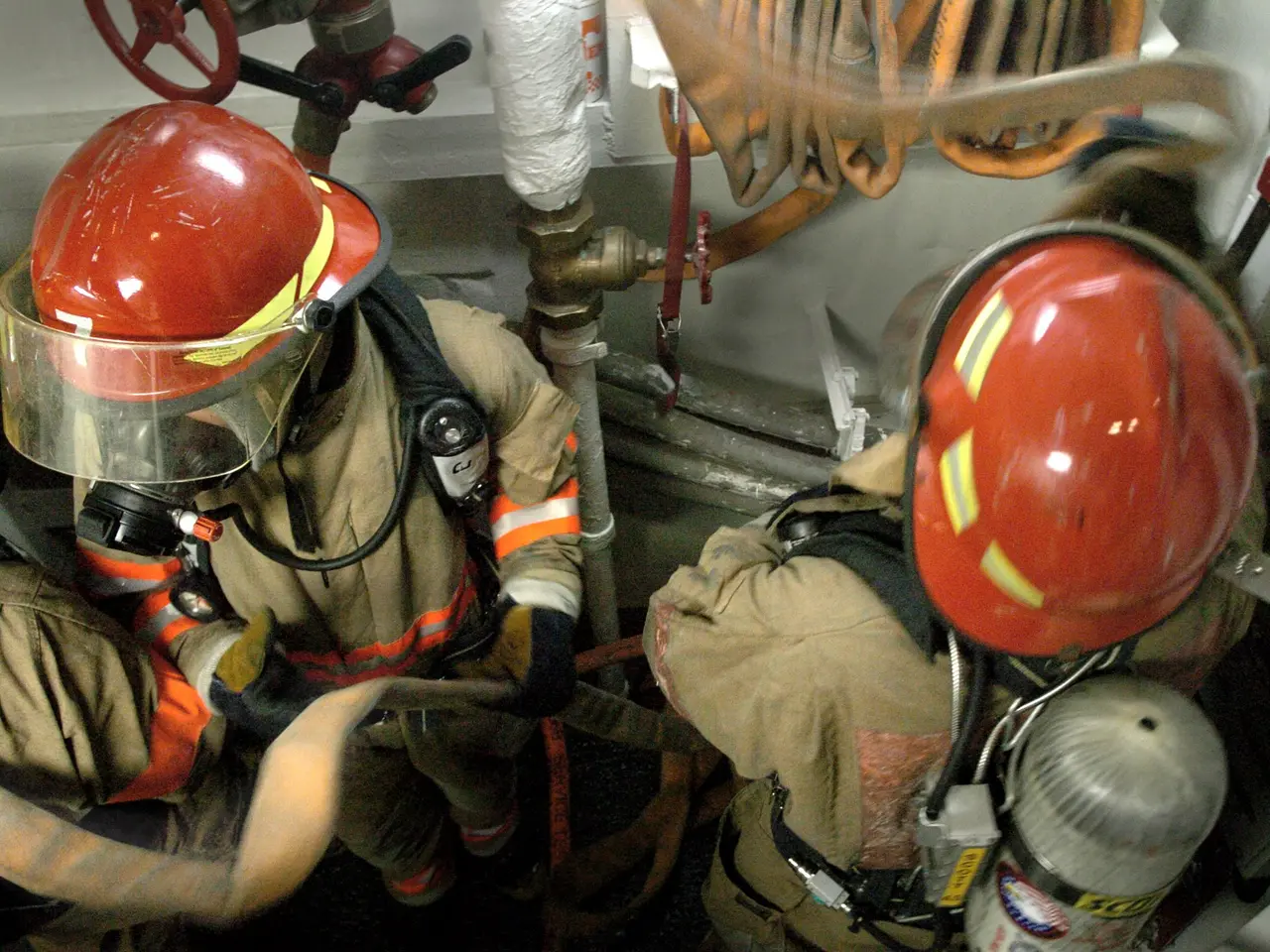
"Emergency medical services and the fire service have an enormous importance for our citizens. People rely on the deployment forces, and often their lives are in their hands," explained the health minister and thanked all employees in the emergency medical services and the firefighters, whose service often takes place on a voluntary basis.