Germany's 2026 Climate Plan Boosts EVs but Ignores Freight Emissions
Germany's 2026 Climate Protection Program: New Measures for Transport Emissions—But Gaps in Freight Logistics Remain
With its Climate Protection Program 2026, the German government has adopted new measures to reduce emissions in the transport sector, placing a strong emphasis on promoting electric mobility, expanding charging infrastructure, and refining the Greenhouse Gas Reduction Quota (THG-Quote). However, logistics industry representatives have criticized the program for significant shortcomings—particularly when it comes to freight transport.
Electric Mobility Incentives Focus on Passenger Cars
A key pillar of the program is a new subsidy scheme for electric vehicles. According to the Federal Environment Ministry, €3 billion in funding will support the purchase of around 800,000 additional electric cars, potentially saving over 800 million liters of gasoline by 2030.
These measures primarily target private passenger traffic. The ministry's plan, however, makes no mention of incentives for heavy-duty freight transport, nor does it include structural reforms for the logistics sector.
Charging Infrastructure: Priority for Residential Buildings
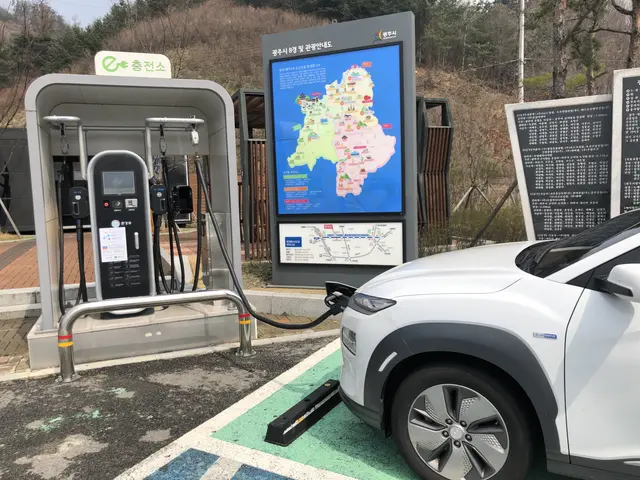
The government has also earmarked €500 million to expand charging infrastructure, with a focus on retrofitting multi-family housing to facilitate urban charging.
Yet the German Freight Forwarding and Logistics Association (DSLV) highlights persistent challenges in energy infrastructure, including grid connection constraints, limited network capacity, and protracted approval procedures. The program also fails to address solutions for commercial charging needs—such as depot charging for road freight—leaving critical gaps for the logistics industry.
Greenhouse Gas Reduction Quota as a Core Tool
The enhanced THG-Quote remains a central mechanism for cutting transport emissions. The ministry projects that by 2030, this instrument will achieve CO₂ savings of 6.3 million metric tons.
The quota obliges fuel suppliers to reduce emissions, allowing for a mix of technologies—including biofuels, hydrogen, and electricity for electric vehicles.
Logistics Sector Criticizes Lack of Action on Freight Decarbonization
Industry groups, particularly the DSLV, have voiced sharp criticism, arguing that the program lacks concrete measures to decarbonize freight transport.
Among the key omissions: - No incentives for combined transport (rail-road) or inland waterway shipping. - No tax breaks, toll reductions, or targeted subsidies for alternative drivetrains in road freight. - Existing financial burdens—such as CO₂ pricing via emissions trading and the truck toll (Lkw-Maut)—remain in place, while economic frameworks to support investment in climate-friendly technologies are absent.
Program Aims for Short-Term Gains—but Freight Sector Demands More
The government presents the Climate Protection Program 2026 as a means to deliver immediate, measurable emissions cuts and reduce dependence on fossil fuel imports.
Logistics representatives, however, insist that further action is urgently needed—especially for freight transport—to meet the sector's climate targets. Without additional measures, they warn, the program risks falling short in one of the most emission-intensive areas of transportation.