Germany Weighs Highway Speed Limits and Car-Free Sundays to Slash Fuel Use
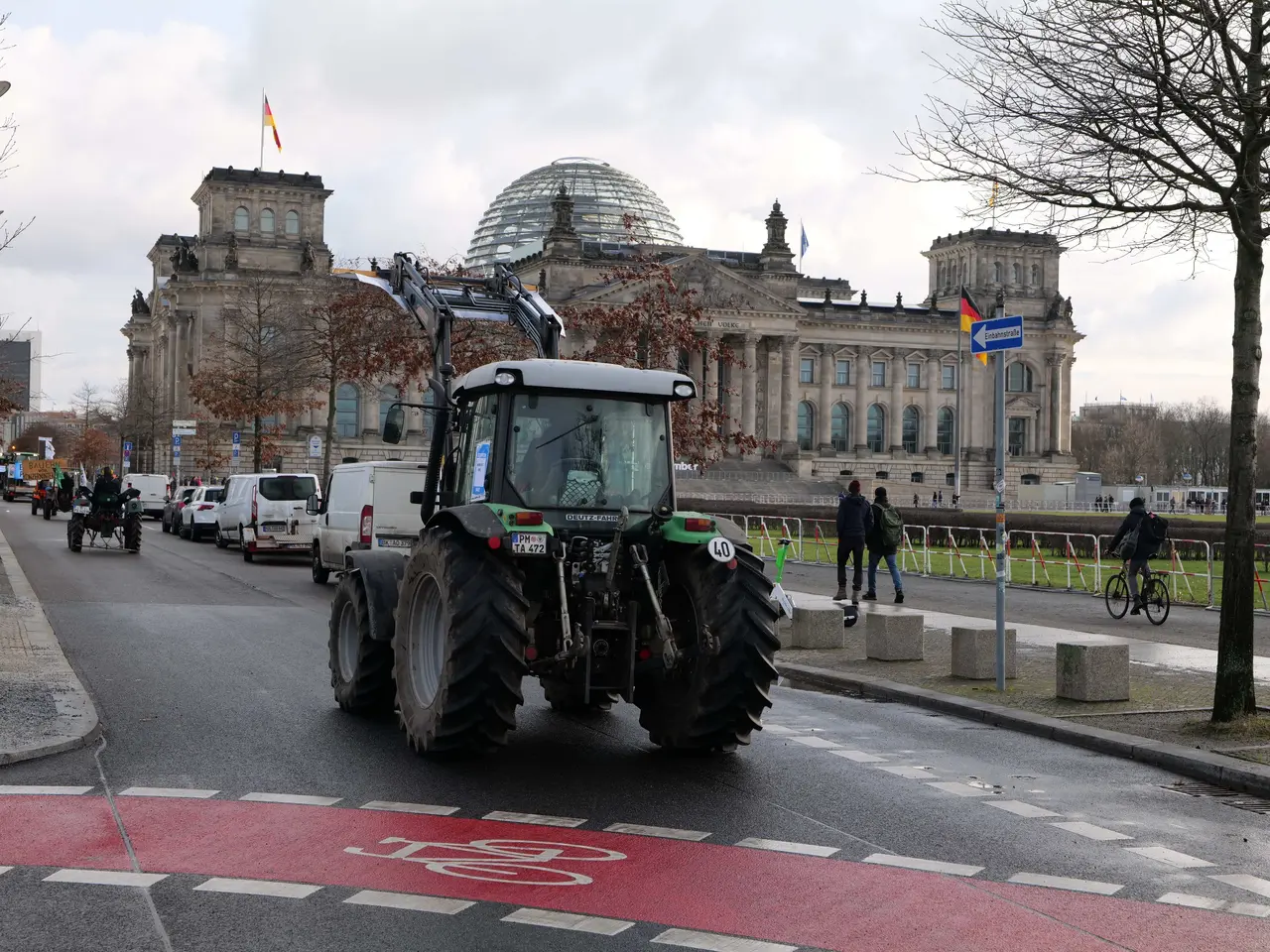
Amid the current oil crisis, the environmental group Deutsche Umwelthilfe (DUH) can envision car-free Sundays—but is instead advocating for a nationwide speed limit.
"A car-free Sunday would certainly create rare moments of a whole new kind of encounter in public spaces—whether it's carefree strolling and cycling through the city or rollerblading on the highway," Dorothee Saar, the DUH's transport expert, told the Rheinische Post (Friday edition). "On those Sundays, people would notice just how much road traffic dominates daily life, from noise to dirty air."
Yet when it comes to actually saving fuel, Saar acknowledged, the measure remains "purely symbolic." "What would truly make a difference is a speed limit."
According to the DUH, capping speeds at 100 km/h (62 mph) on highways and 80 km/h (50 mph) on rural roads could save up to 4.7 billion liters of gasoline and diesel annually. Saar emphasized that such a measure would be "quick to implement, virtually cost-free, and free of endless debates over exceptions—like who gets to drive on Sundays and who doesn't."