Obertshausen cracks down on illegal parking in Hausen district
Obertshausen Implements Parking Management Plan in Hausen District
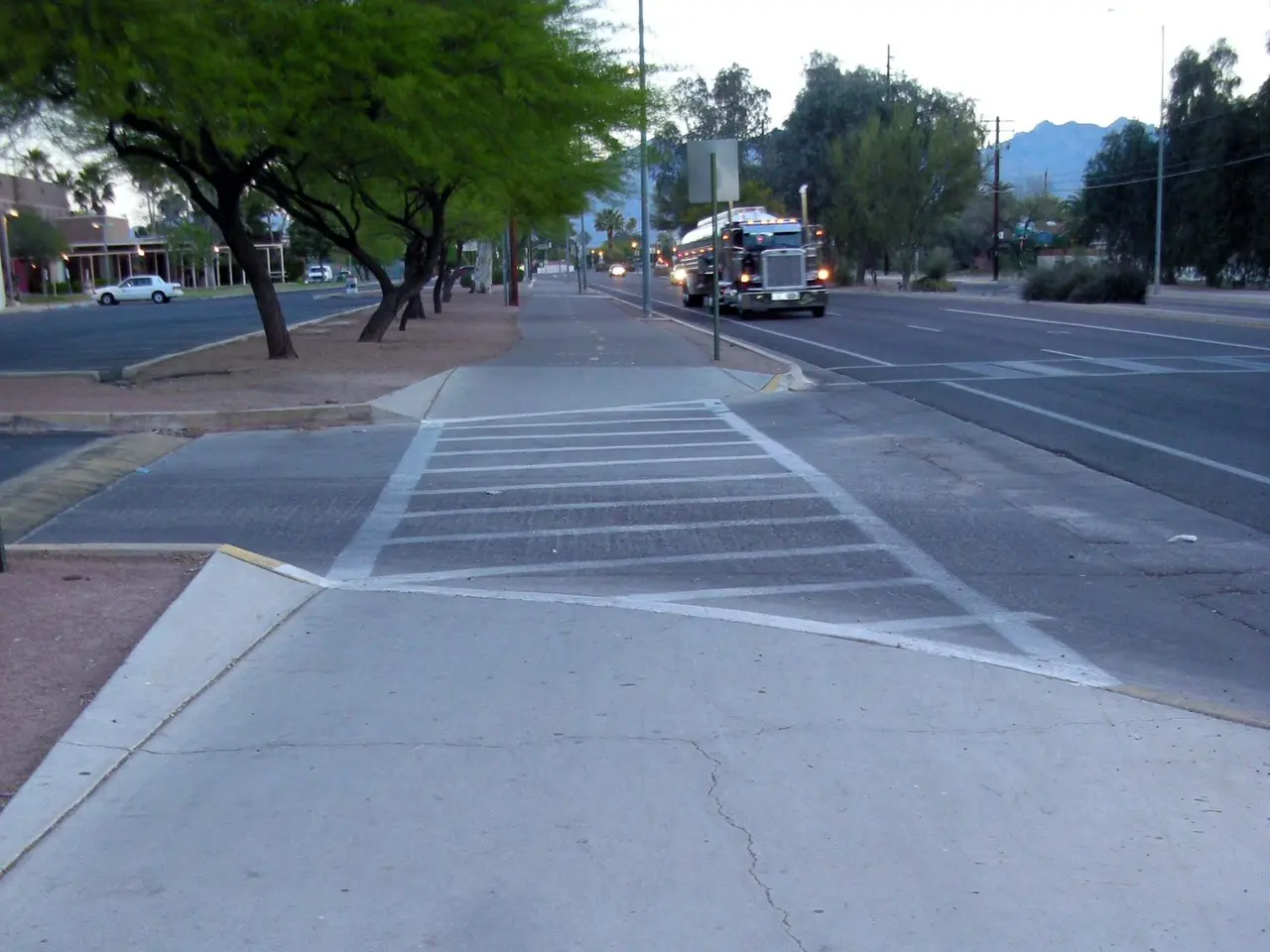
The town of Obertshausen is currently rolling out its approved parking management plan in the Hausen district. At the start of the second quarter, measures began in the first priority area on the list, known as Quarter 3. The goal is to ensure orderly parking in compliance with the German Road Traffic Regulations (Straßenverkehrsordnung), with a particular focus on preventing sidewalk parking in areas where it is not explicitly permitted.
Since the initiative launched, authorities have been closely monitoring several streets, including Frankfurter Straße, Tulpenstraße, Rosenstraße, Tempelhofer Straße (between Tulpenstraße and Rosenstraße), Freiherr-vom-Stein-Straße, Adenauerstraße (between Tempelhofer Straße and Dreieichstraße), Schillerstraße, Rhönstraße, Kettelerstraße, Pfarrer-Schwahn-Straße, Kantstraße, Dreieichstraße, Liebknechtstraße, Gumbertseestraße, and Golfstraße. According to the town, parking on sidewalks in these areas is now prohibited.
In some streets, no-parking zones have been introduced to clarify where parking is allowed—"just not on the sidewalk," as Mayor Manuel Friedrich emphasizes. In others, the town is relying on residents' sense of responsibility, such as when parking in a staggered formation to maintain sufficient clearance for through traffic. Friedrich notes that emergency vehicles, waste collection services, and other essential traffic must also be taken into account.
During the first week of implementation, municipal police and parking enforcement officers increased patrols in the quarter, conducting checks, providing information, and issuing penalties for violations. In this initial phase, drivers parking on sidewalks often receive a yellow warning notice first, explaining the offense. The notice states: "To ensure the safety and unimpeded flow of pedestrian traffic—particularly for individuals with limited mobility, parents with strollers, and schoolchildren—it is essential that sidewalks remain clear of vehicles. You are therefore asked to park your vehicle in compliance with regulations."
Fines to Be Introduced from Week 17
Where the town determines that parking behavior is not improving on its own, additional measures are being taken. "In areas where we've observed that drivers are unable to organize parking independently, we are stepping in with further regulations," says Friedrich. "We have now installed additional mobile no-parking signs." Traffic enforcement will continue monitoring the situation and adjust as needed. "We're already seeing initial success," the mayor reports, citing Frankfurter Straße, Schillerstraße, and Liebknechtstraße as examples.
The town also highlights ongoing dialogue between the road traffic authority and local residents. First Alderman Michael Mößer urges residents to use private parking spaces—such as garages or driveways—to help ease the overall parking situation.
Starting in calendar week 17, however, violations in the first implemented quarter will be penalized more strictly. According to the town, those parking on sidewalks from that point onward can expect a minimum fine of €55.