Global Shipping Giants Face $98.9M Fine in Massive Price-Fixing Scandal
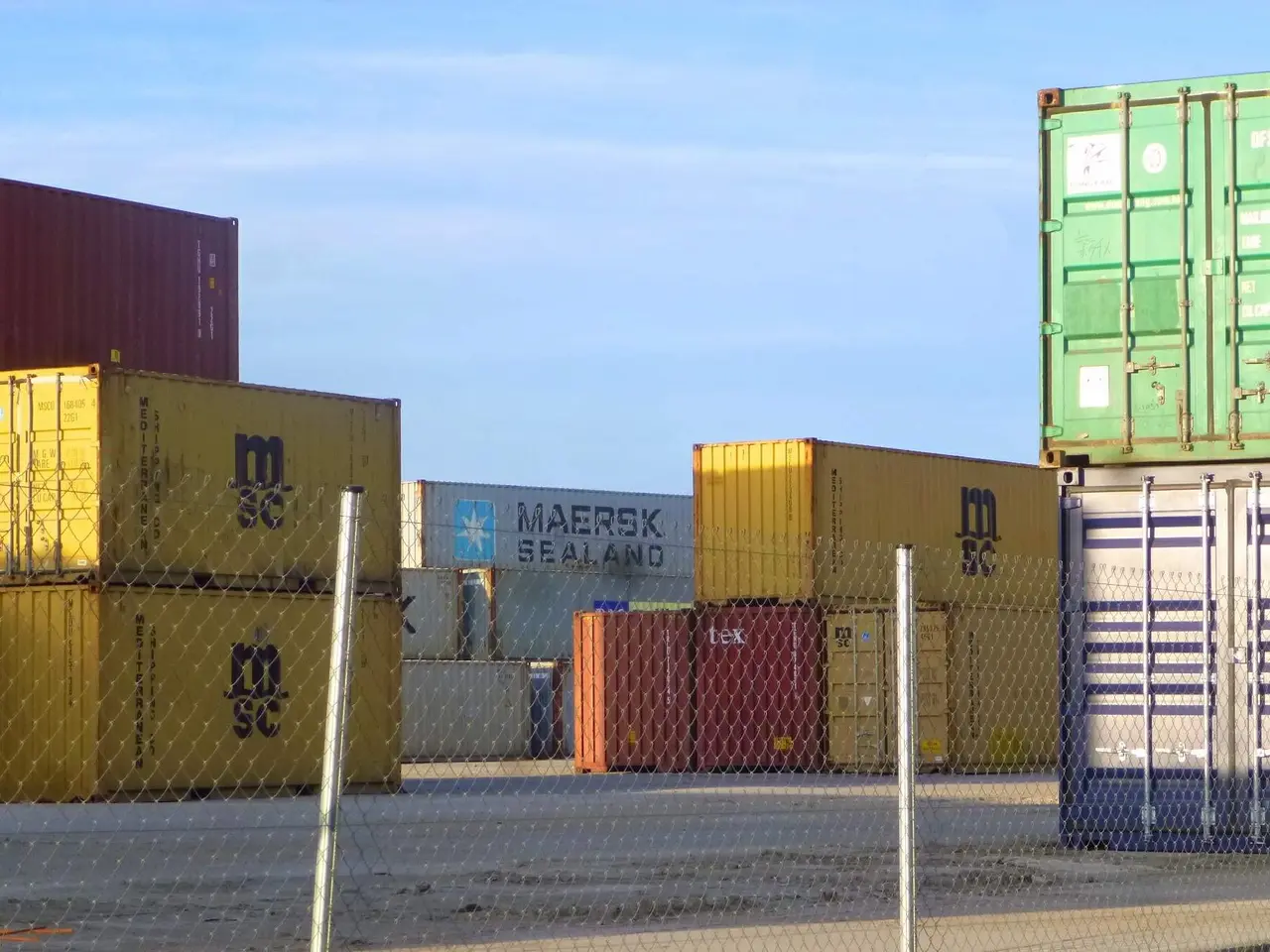
A major price-fixing scandal in the global shipping industry has led to criminal charges against 11 executives and a hefty fine for Wallenius Wilhelmsen Logistics (WWL). The US Department of Justice (DoJ) imposed a $98.9 million penalty on the company and its sister firm, Eukor Car Carriers, for their roles in a long-running conspiracy to manipulate shipping prices. The scheme targeted roll-on, roll-off (ro-ro) cargo routes, including those departing from Baltimore, and affected multiple US businesses. The investigation, led by the FBI's Baltimore Field Office, uncovered a secret agreement among competitors to control the market. Executives from WWL, Eukor, and rival firms—such as NYK, K-Line, and CSAV—allegedly met to divide customers, fix bids, and set prices for international shipments of vehicles, construction machinery, and agricultural equipment. Instead of competing, they agreed to avoid undercutting each other or to submit coordinated bids for certain routes and clients.
Kai Kraas, WWL's chief operations officer, now faces charges in the US District Court in Baltimore. He is accused, alongside former WWL CEOs Anders Boman and Arild Iversen, of orchestrating the conspiracy over several years. So far, four executives involved have pleaded guilty and received prison sentences, while others—including Kraas, Boman, and Iversen—remain fugitives outside US jurisdiction.
The DoJ's case highlights the scale of the collusion, which extended beyond WWL and Eukor. Competitors allegedly worked together to stabilise shipping rates, ensuring no company could offer lower prices to customers. The affected businesses included American firms relying on ro-ro services for transporting heavy cargo overseas. The $98.9 million fine marks one of the largest penalties in a shipping-related antitrust case handled by US authorities. With four convictions already secured, the DoJ continues to pursue the remaining defendants, who are currently beyond its reach. The outcome reinforces efforts to combat collusion in industries critical to global trade, particularly where deceptive practices harm fair competition and US companies.