Construction Costs Keep Rising: "We're Seeing Price Hikes Almost Across the Board," Says Thomas Reimann, President of the Hessian Association of Construction Contractors
Germany's soaring construction costs threaten housing development and affordability
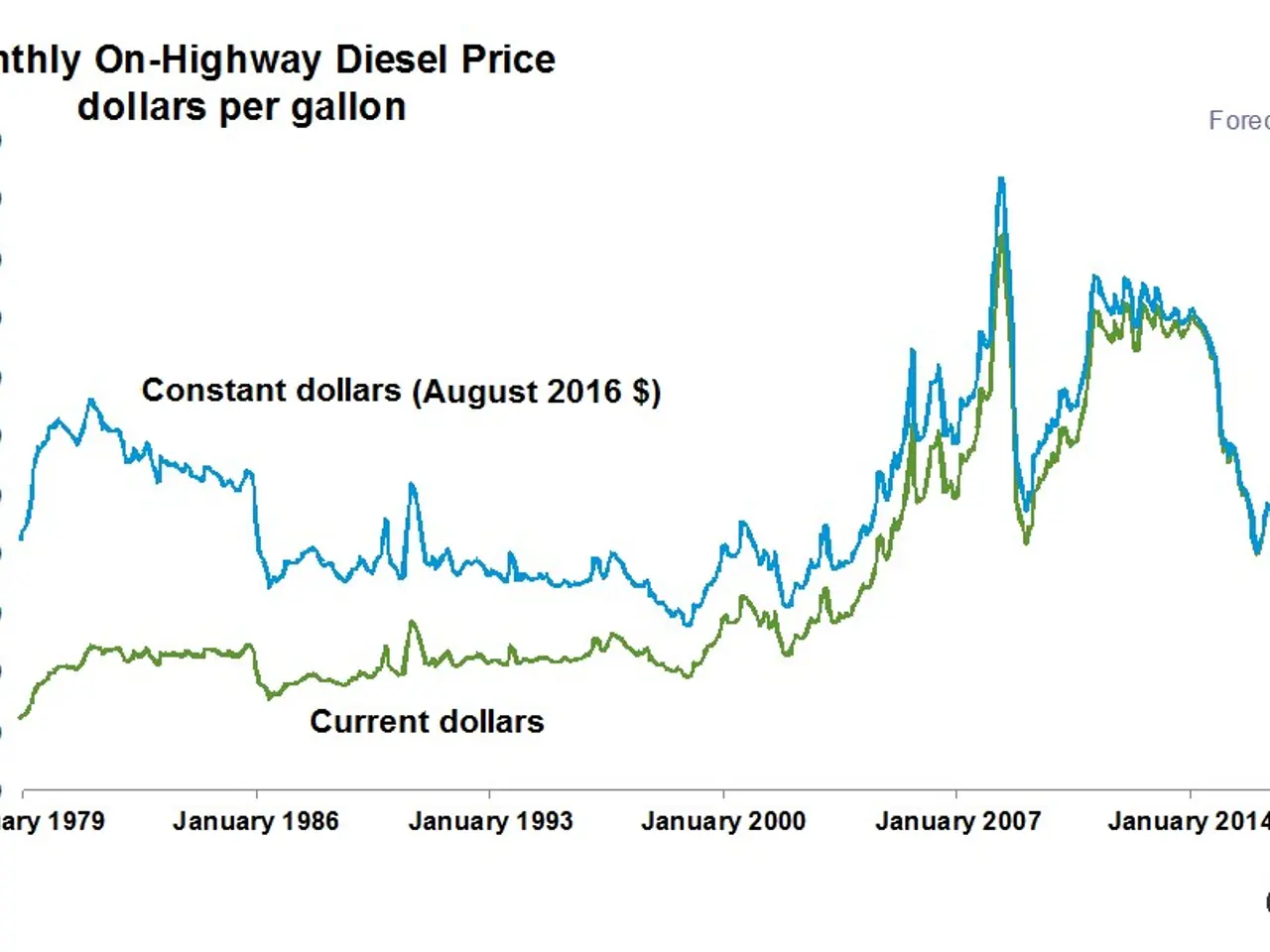
The increases span everything from steel and concrete to insulation materials and petroleum-based films, Reimann explains. Even the cost of setting up cranes has risen due to higher diesel prices for transport. "Overall, construction costs are now three to five percent higher than before the Iran conflict."
Reimann sees no quick relief in sight. "Building is not going to get cheaper." Even if global crude oil prices were to fall, suppliers are unlikely to lower their prices immediately. As early as 2024 and 2025, construction costs for conventional residential buildings had already risen by around three percent, according to Germany's Federal Statistical Office. During the Ukraine war in 2022, costs even surged by more than 15 percent at times, leading to a collapse in new construction.
The industry leader urges policymakers to reduce construction costs to boost housing development. "The lack of affordable housing carries serious social risks." He argues that building in Germany is too expensive due to strict regulations—for example, mandatory parking spaces for multi-family homes, where an underground spot can cost up to €50,000. One reason is the scarcity of landfills for excavated soil.
Other countries could serve as models, Reimann suggests. Sweden manages with fewer building codes and constructs more affordably as a result. "In Belgium and France, concrete floors are typically 15 to 19 centimeters thick, while in Germany, we use 30 to 40 centimeters." Thinner floors might mean hearing children playing next door more clearly, "but that should be tolerable," says Reimann, who is also a construction entrepreneur. "We need to move away from the gold standard."
He also calls on the federal government to urgently implement Building Type E, a classification designed to simplify and reduce costs by waiving expensive, non-safety-critical standards. The concept dates back to the traffic-light coalition and could reach the Bundestag by 2027. "Developers need legal certainty," Reimann insists. "Building Type E would be a first step and an important signal to the construction industry."