Deutsche Bahn's spring blitz targets 200+ stations with robots and lasers
A Burst of Color, Millions in Damages: How Germany's Rail Operator Plans to Eradicate Graffiti with Lasers, Robots, and New Teams—and Why Taggers Could Face Bills for Decades
Year after year, Deutsche Bahn is forced to spend millions of euros removing illegal graffiti from trains and infrastructure. Now, the company is turning to lasers to tackle the worst vandalism in its stations. "This method eliminates graffiti and contamination using laser pulses without damaging the underlying materials," a Deutsche Bahn spokesperson explained. The rail operator is also deploying an autonomous cleaning robot to scrub larger floor surfaces.
The spring cleaning blitz will target more than 200 major and minor stations across southwestern Germany, including the main hubs in Freiburg, Karlsruhe, and Ulm, as well as stops in Aulendorf, Bietigheim-Bissingen, Böblingen, Reutlingen, Schwäbisch Gmünd, and Singen (Hohentwiel). Around 35 stations in the Stuttgart S-Bahn network will also undergo extensive cleaning. By spring 2026, the goal is to refresh over a quarter of all German train stations.
From Elevator Shafts to Display Cases
According to Deutsche Bahn, teams of employees will fan out in the coming weeks to clean platforms, stairways, and tunnels, as well as elevator shafts, glass surfaces, control panels on ticket machines, furniture, and display cases. The nationwide campaign is set to wrap up by the end of May.
This large-scale spring clean is part of a broader initiative for enhanced safety and cleanliness at stations, unveiled in January. The rail operator also plans to recruit mobile maintenance teams to handle minor repairs efficiently and swiftly.
Millions in Damages from Illegal Tagging
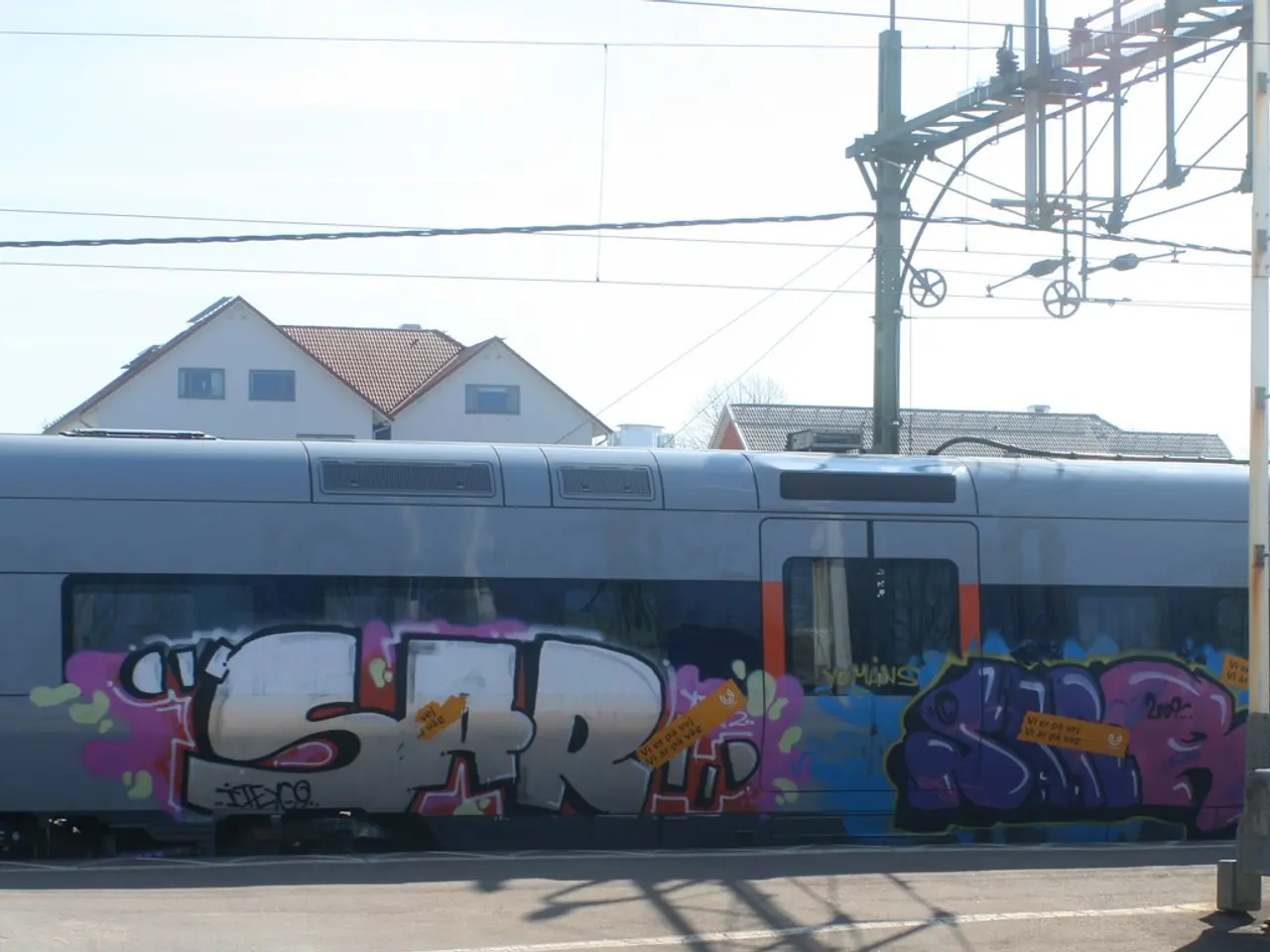
Tracks, trains, and stations are frequent targets of graffiti and vandalism, the company reports. The financial toll from graffiti alone remains steady at around €12 million annually. While hundreds of taggers are caught each year, many evade consequences.
"What most people don't realize," the rail operator warns, "is that even if offenders fall under juvenile criminal law—and often avoid punishment—the company can still pursue civil claims for material damages up to 30 years later." This means taggers could face demands for thousands of euros years down the line. In extreme cases, convictions may carry prison sentences of up to two years.