Germany's €8B Climate Plan Aims to Slash 25M Tons of CO₂ by 2030
BERLIN – The German cabinet has approved an eight-billion-euro climate protection program spanning the next four years, aimed at meeting legally binding climate targets and making Germany "more modern and less dependent on oil and gas," according to the Federal Environment Ministry. Federal Environment Minister Carsten Schneider (SPD) hailed the cabinet agreement as "a major step forward," calling the decision a "clear statement"—even amid tight budgets.
The bulk of the funding—7.6 billion euros—will come from the Climate and Transformation Fund, with an additional 400 million euros drawn from special federal assets. The initiative appears to have broad support, with Schneider emphasizing that the plan was developed "without major conflict" and describing it as a "joint effort" between the SPD and the opposition Union parties.
Green Party and Climate Experts Voice Sharp Criticism
Green Party co-leader Katharina Dröge dismissed the program as "a brazen deception," accusing Schneider of "greenwashing" while "Economics Minister Katharina Reiche (CDU) is setting the house on fire." Dröge made the remarks during an interview on ARD's Morgenmagazin.
The Expert Council on Climate Issues, established in August 2020, also criticized the package, stating that existing and newly proposed measures are unlikely to ensure Germany meets its climate targets. In a statement, the council warned of probable "shortfalls" and called for "further adjustments" to achieve emissions reduction goals. It noted a lack of "comprehensive integration of climate policy into an overarching political strategy," as recommended in its 2024 biennial report. Deputy Chair Marc Oliver Bettzüge of the University of Cologne underscored this deficiency.
Government Plans 2,000 Additional Wind Turbines
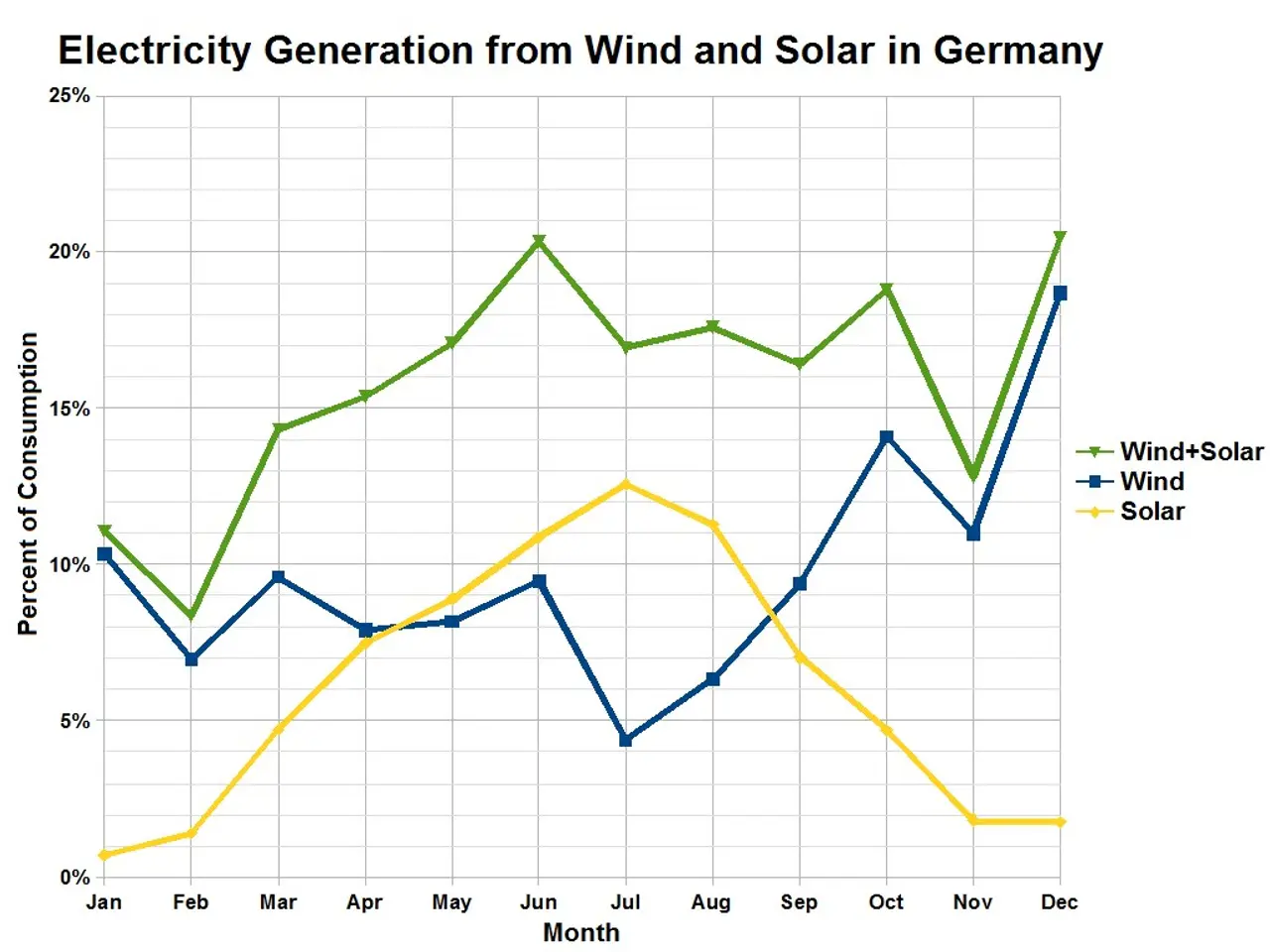
The nearly 300-page program includes an expanded push for onshore wind energy. "Upcoming tenders will now include around 2,000 more wind turbines than previously planned," the Environment Ministry announced, projecting an additional 12 gigawatts of capacity. Other measures include a new subsidy scheme with income-based tiers for roughly 800,000 electric vehicles and increased support for industries transitioning to modern climate technologies.
In total, 67 initiatives are designed to cut over 25 million additional tons of CO₂ by 2030. The plan also allocates more federal funding for converting district heating networks to renewable energy and provides extra incentives for industrial electrification and decarbonization. Previously approved or announced measures—such as extending the Deutschlandticket public transport pass through 2030 and a new EV subsidy program—are also listed.
Schneider: Climate Program Will Boost the Economy
Schneider aims to give climate protection "a fresh impetus," remove the issue from "societal polarization," and strengthen an economy struggling with high energy prices. The government was legally required to present a binding, sector-wide plan by March 25.
Germany has pledged to reduce greenhouse gas emissions by 65% by 2030 (compared to 1990 levels), at least 88% by 2040, and achieve carbon neutrality by 2045. Official figures show emissions were already down 48% by 2025.