Germany's €435M Renewable Energy Loss Exposes Grid Crisis in 2024
At first glance, the €435 million figure seems clear-cut: too much green power, too much chaos, too much money. But this is where the debate often takes a wrong turn. The payment is not a price tag for wind and solar energy—it is the result of grid bottlenecks. According to a report published in March 2026 based on a response from Germany's Federal Ministry for Economic Affairs, this compensation actually fell by around €120 million in 2025 compared to 2024. The real question, then, is not whether grid shutdowns cost money—they do. The crucial question is what electricity in Germany would have cost without wind and solar.
What the €435 million actually means
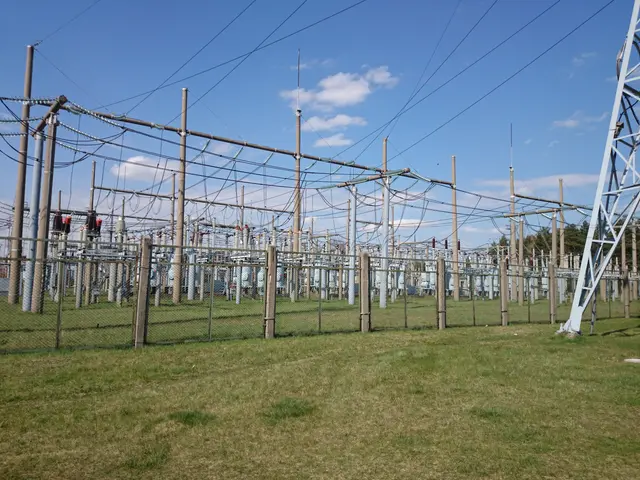
The sum represents power that was generated but could not reach consumers due to congested transmission lines. The original report shows Bavaria at the top with €165 million in compensation, followed by Lower Saxony (€120 million) and Schleswig-Holstein (€54 million). The pattern is straightforward: high generation meets insufficient grid capacity. The power grid is not some magical garden hose that suddenly doubles in size on sunny, windy days.
Technically, this is managed through redispatch and other grid congestion measures. SMARD, Germany's energy market data platform, puts the preliminary total cost of congestion management for 2024 at €2.776 billion. Of that, roughly €554 million went toward compensating curtailed renewable energy plants. SMARD also notes that reducing renewable feed-in cost about €200 per MWh in 2024—significantly more than redispatch for conventional plants (around €142 per MWh)—due to additional balancing and trading expenses. The key distinction here: this payment does not prove the electricity was worthless. It shows that the system could not transport or absorb it efficiently at that moment.
Why wind and solar still drive down wholesale prices
The electricity market operates on the merit order principle: power plants are ranked by their short-term marginal costs. Wind and solar, with their near-zero marginal costs, push more expensive plants—often gas or coal—out of price-setting. This is precisely why renewables lower wholesale prices, even as their expansion creates grid costs elsewhere.
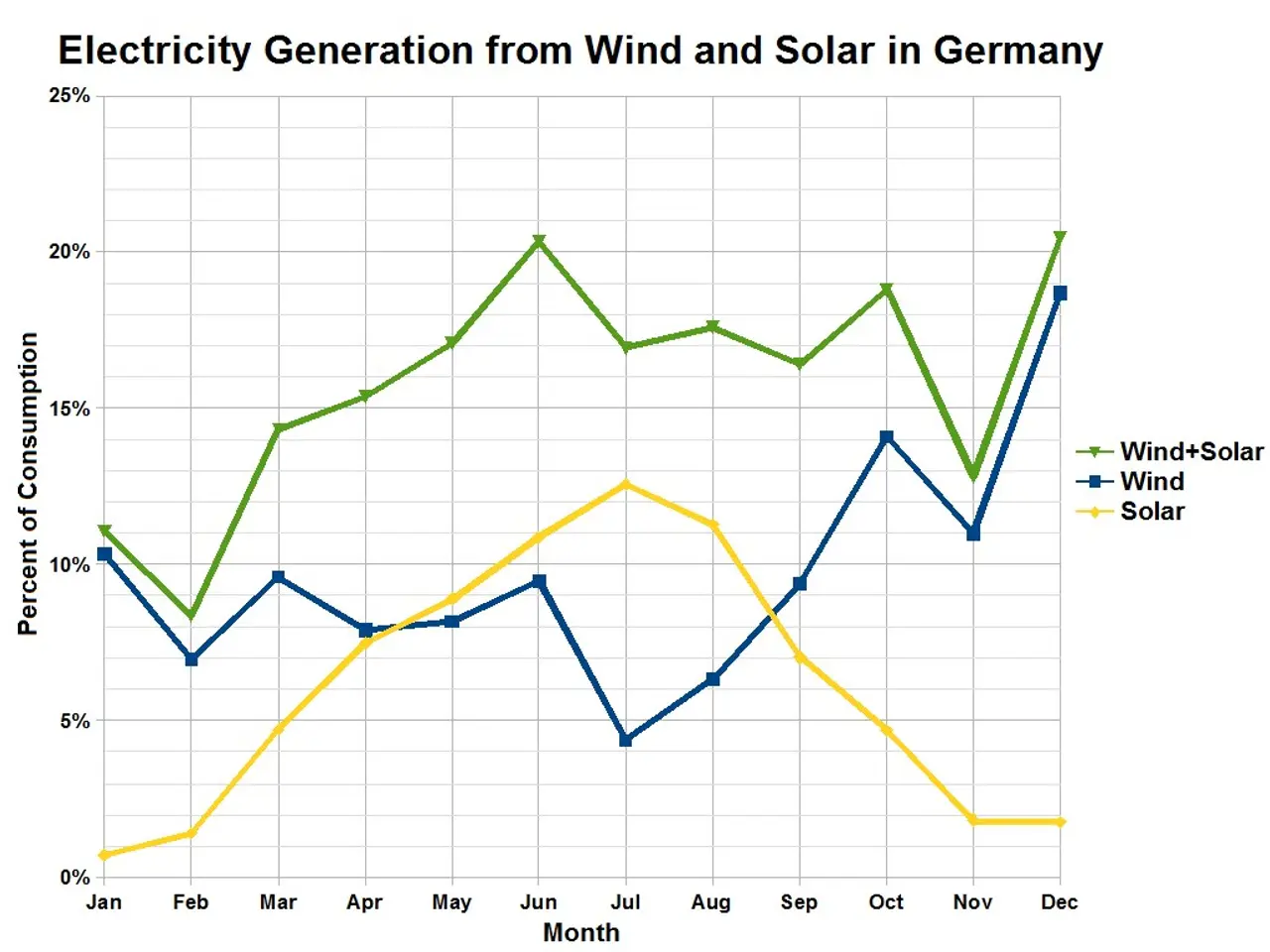
The market data bears this out. In 2024, 59.0% of Germany's electricity came from renewables, according to SMARD. The average day-ahead wholesale price dropped to €78.51 per MWh, a decline SMARD explicitly attributes to the higher share of renewables. At the same time, there were 457 hours of negative wholesale prices, indicating genuine oversupply—but not necessarily a higher annual average. The year's most extreme price spike tells its own story: on December 12, 2024, prices soared to €936.28 per MWh when wind and solar together delivered just 1.4 GWh and demand was high. Laying these figures side by side makes the pattern clear: electricity becomes expensive when wind and sun are in short supply.
What counterfactual studies reveal
The most meaningful question is not what curtailments cost, but what the bill would look like without renewable feed-in. A peer-reviewed study in Renewable and Sustainable Energy Reviews reconstructed German day-ahead prices for 2014–2018 as if wind and solar had never existed. The result: the price-depressing effect ranged from 2.89 to 8.89 cents per kWh, depending on the year. For households and businesses, this translated to €40 billion in savings over five years, the study found. What's more, in 2018 alone, domestic conventional and nuclear generation would have fallen short of meeting demand in up to 424 hours.
Earlier work by the Fraunhofer Institute for Systems and Innovation Research (ISI) estimated a merit-order effect of €5.80 per MWh for 2014. A more recent analysis by Aurora Energy Research, commissioned by Agora Energiewende, projects that by 2030, accelerating renewable expansion could lower the average wholesale price by around €20 per MWh compared to a slower build-out. The methodologies differ, so the numbers aren't directly additive. But the trend is remarkably consistent: more renewable feed-in pushes market prices down on average.
Why you don't see this directly in your electricity bill
Here's the part that often gets swept under the rug in political headlines. Your household electricity price isn't just about procurement costs—it also includes grid fees, metering charges, taxes, and other components. According to Germany's Federal Network Agency, the average household electricity price as of April 1, 2025, stands at 40.05 cents per kilowatt-hour. In 2024, the figure was still 41.59 cents, and in 2023, it was as high as 45.19 cents per kWh. Falling wholesale prices are making an impact, then—but not at the same speed, and not in full.
That's why the €435 million is a real problem, but it's the right problem in the wrong place. The money speaks to the need for faster grid expansion, more storage capacity, more smart meters, and greater demand flexibility. Meanwhile, the Economy Ministry's push to reduce guaranteed feed-in tariffs for new private solar installations and shift toward stronger direct marketing is part of this broader systemic debate. In energy discussions, I keep stumbling over the same miscalculation: a visible cost item gets singled out, while the less obvious market price effects are ignored. That's exactly what's happening here.
So here's the question: Should Germany double down on investing in grids, storage, and flexible tariffs first? Or should the cost debate keep revolving around wind and solar power itself?