Germany vows to secure new oil supplies amid Russian crude disruption
German Economy Minister Katharina Reiche (CDU) has vowed to secure new oil supplies and bolster the resilience of fossil fuel infrastructure—such as refineries and pipelines—in response to the energy crisis. "Now we must work to leverage every possible option for diversifying our crude oil sources," Reiche told Welt am Sonntag.
"We need to strengthen the resilience of our refineries, supply chains, and infrastructure," she added. Germany's energy mix still relies on oil and gas for roughly 60 percent of its needs, with the chemical industry and fertilizer producers also dependent on oil. "Refineries are of extraordinary importance to Germany as an industrial hub," the minister emphasized.
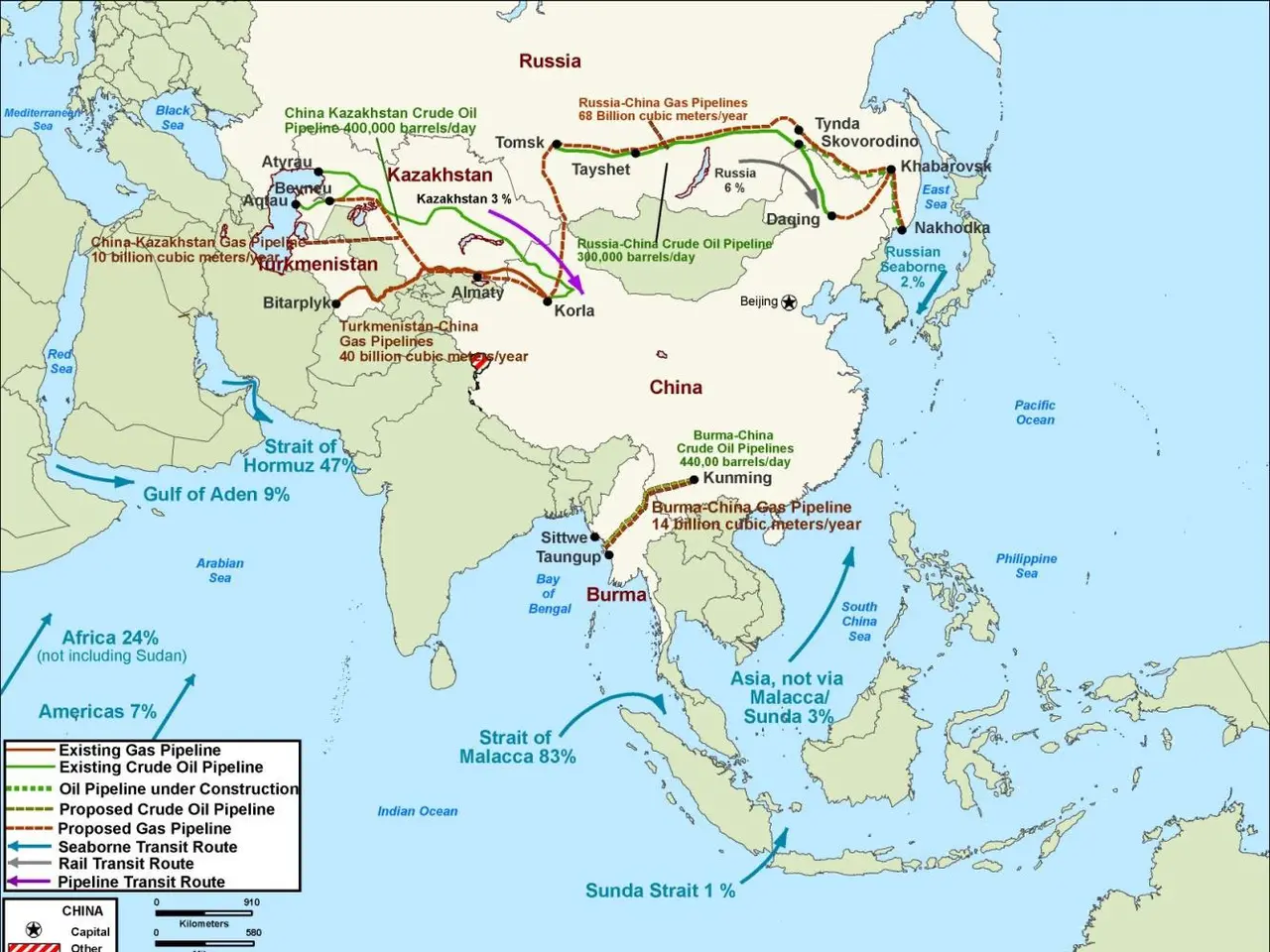
Reiche downplayed the impact of Russia's announced halt to Kazakh crude oil deliveries via the Druzhba pipeline to the PCK refinery in Schwedt, calling it manageable. "If these volumes are cut off, PCK's production would see a slight reduction, but we are not left empty-handed," she assured. The refinery is majority-owned by Russian state giant Rosneft but remains under the trusteeship of Germany's Federal Network Agency. "This is not the first time Russia has weaponized energy," Reiche noted, pointing to similar tactics seen in gas supplies. "We've already taken steps to counter this, and we're now working to secure the refinery's raw material supply, including discussions with Poland and Kazakhstan."
The minister ruled out nationalizing Rosneft's assets. "Germany's refineries are privately owned," she argued. "If the state singled out individual companies, it would send a message to private operators: you're not safe here. That would harm our economic competitiveness."
Reiche also reiterated her opposition to a so-called windfall tax, as proposed by coalition partner the SPD. "I fundamentally oppose a windfall tax because it would penalize any company that succeeds and generates profits," she said. "Vilifying profits undermines the core driver of our social market economy." She warned that such a tax could lead to gasoline being exported rather than kept domestic—"the exact opposite of what we need."
The minister stressed that safeguarding energy security and economic stability must remain the top priority.