Berlin Economics Senator Franziska Giffey (SPD) Skeptical of Fuel Discount's Impact
Germany slashes fuel tax—but will drivers actually save?
BERLIN (dpa) — Berlin's Senator for Economic Affairs, Franziska Giffey, does not expect the government's fuel tax cut—set to take effect on May 1—to lead to a significant drop in prices at the pump. Under the measure, the state will forgo 16.7 cents in tax per liter.
"We will see on May 1—just a few days from now—that this likely won't be passed on to consumers," Giffey said. "It's an attempt, but I don't believe it will work in the end." She warned that oil companies may simply pocket much of the tax relief themselves.
Giffey called for more decisive action to cap fuel prices—and, by extension, the profit margins of oil corporations.
"I would like to see us look to our neighboring countries—Poland, Belgium, Luxembourg—where governments have set a price ceiling based on the product cost, distribution expenses, and taxes," she said.
"Crisis Profiteers and Opportunists"?
"It's high time we took a firmer stance against those who are exploiting this crisis as opportunists, raking in profits at the expense of citizens and businesses," Giffey said. "It infuriates me that oil companies hiked prices the very day this war began, pocketing endless profits while we stand by powerless to stop them."
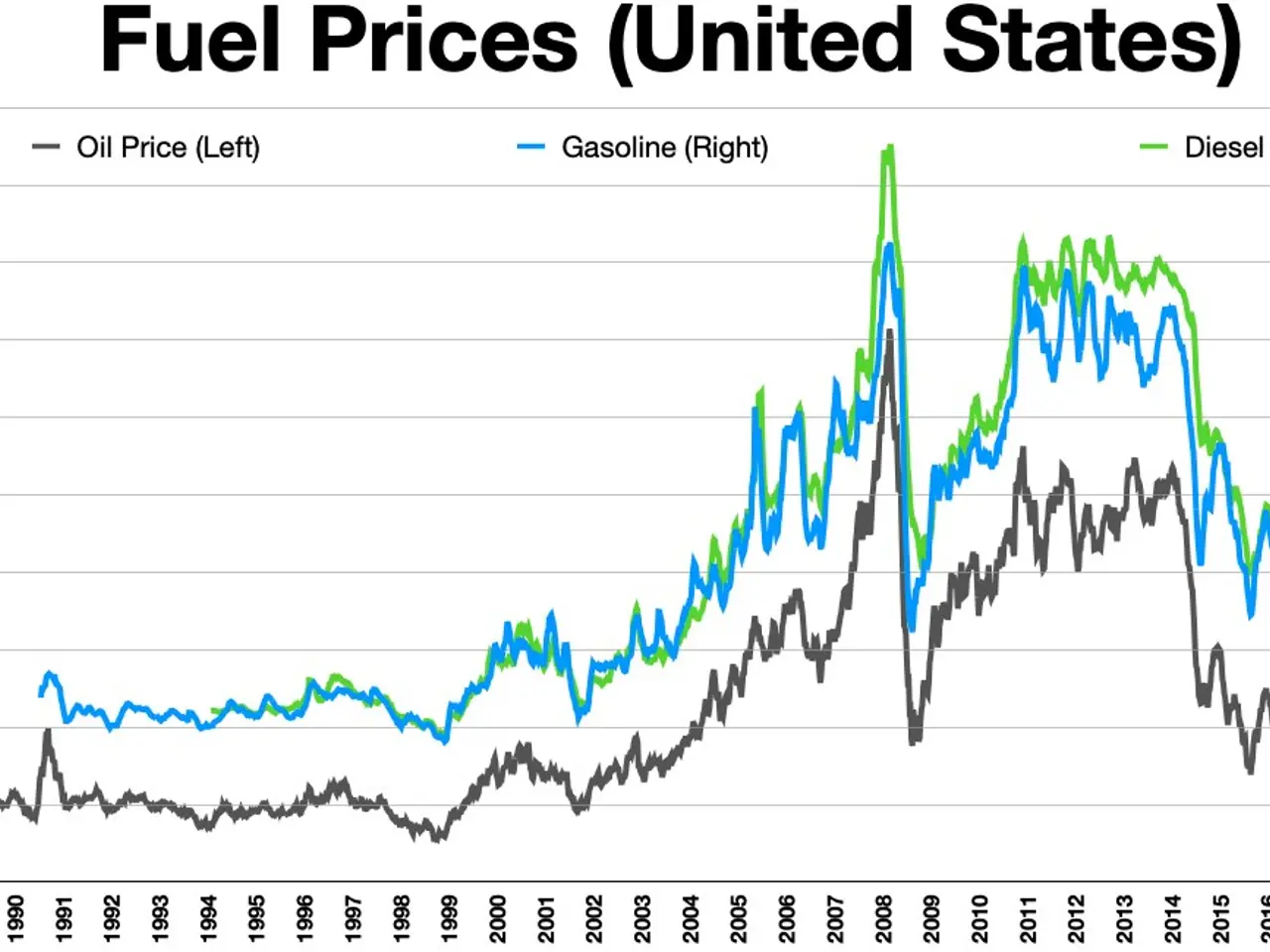
After the outbreak of the Iran conflict, gasoline and diesel prices at German stations surged more sharply than in other EU countries. To ease the burden on households and businesses, the governing coalition agreed on the fuel discount, which will apply for an initial two months starting May 1. The measure will cost the state around €1.6 billion.