Economist warns of inflation surge as Iran crisis drives up German energy costs
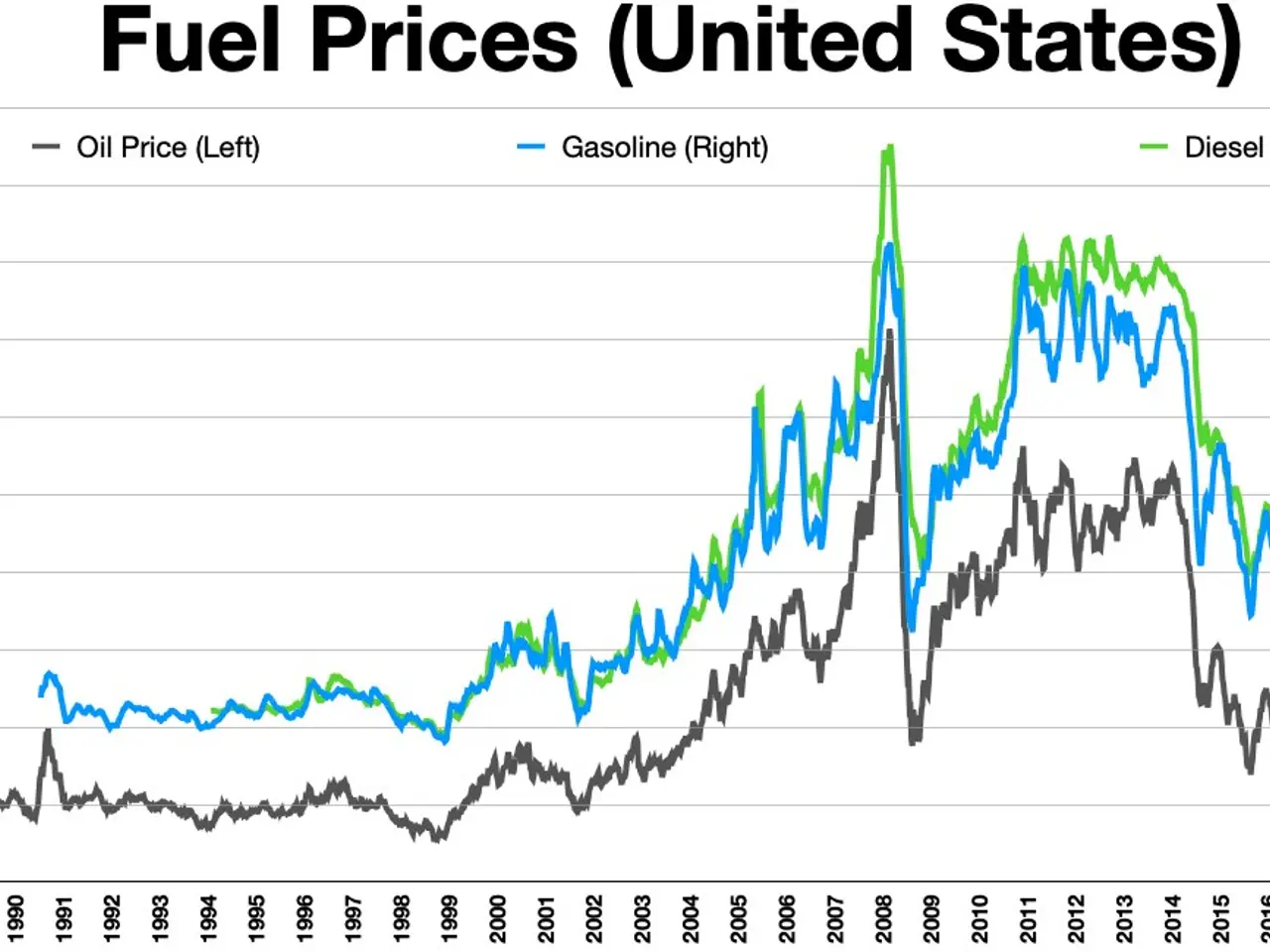
Economist Jens Südekum has warned of potential economic fallout from the escalating Iran crisis. As an advisor to SPD Finance Minister Lars Klingbeil, he highlighted rising fuel and energy costs as key concerns. His comments come amid fears of broader inflation and slower growth in Germany. Südekum pointed to a sharp 20% increase in fuel prices at German pumps. He expects energy costs to push up inflation further, eventually raising food prices as well. However, he believes the delay before food costs climb will provide some temporary relief.
The economist described the government's recent fuel price relief package as proportionate. But he stressed that the state cannot fully protect consumers from all price rises. Instead, he framed the measures as a targeted response rather than a blanket solution. If the crisis drags on, Südekum suggested Germany could look to Luxembourg's model for price regulation. During 2023–2024, Luxembourg kept fixed energy prices through state subsidies—€0.25 per kWh for electricity and €1.0 per m³ for gas. In contrast, Germany's EPEX spot market prices averaged €96.58 per MWh in February 2026, leaving households more exposed to volatility. Südekum also cautioned against expecting the government to act as an all-encompassing shield. He argued that minor economic shocks should not always trigger full state intervention.
The warnings underline the pressure on German policymakers as energy costs climb. Südekum's remarks suggest that while targeted relief is possible, broader price controls remain unlikely. The focus now shifts to how households and businesses will adapt to sustained inflation in the coming months.