Workers fake busyness as offices prioritize visibility over real productivity
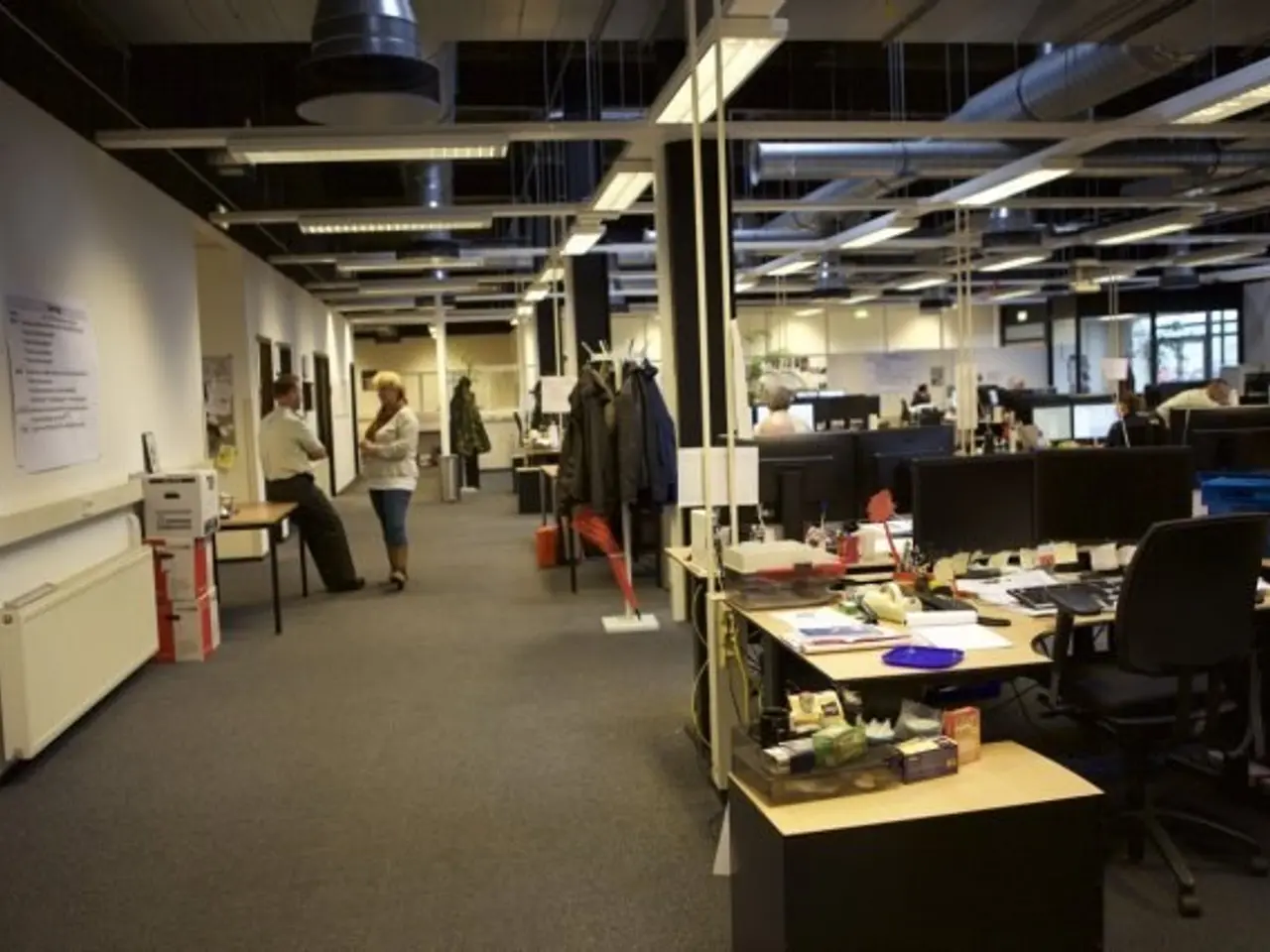
A new survey by Indeed reveals that many employees feel pressured to appear busy in the office, even when it doesn't boost productivity. The findings highlight a growing disconnect between workplace visibility and actual performance, with workers admitting to tactics like faking presence or sending late-night emails.
Over half of the surveyed employees—55.9%—believe their employers prioritise being seen over delivering measurable results. This perception has led to behaviours aimed at maintaining the illusion of constant engagement. For instance, 17.3% leave personal items like jackets or bags at their desks to suggest they're still around. Another 23.2% send emails outside normal working hours to create the impression of dedication.
Nearly a third of workers—32.5%—blame a culture of presentism for their actions, while 31.6% fear for their job security if they don't appear committed. The pressure extends to staying late: 25.4% admit they remain in the office after hours simply because their manager hasn't left, even when their tasks are complete. Remote workers aren't exempt from the trend. Around 27.7% manually adjust their online status to 'available' to avoid looking unproductive. Meanwhile, only 33.3% of employees feel confident letting their work results speak for themselves. The survey also found that 66.2% of workers would accept a pay cut of 5% or more if their performance were judged purely on outcomes rather than office attendance. This comes as many companies reinstate mandatory in-person work, reversing the flexible policies introduced during the pandemic.
The data suggests a mismatch between traditional workplace expectations and modern productivity measures. While companies push for more office presence, employees increasingly question whether visibility translates to better performance. The findings may prompt discussions about how work culture could evolve to focus more on results than appearances.