Wiesbaden's job market splits as city unemployment rises despite regional gains
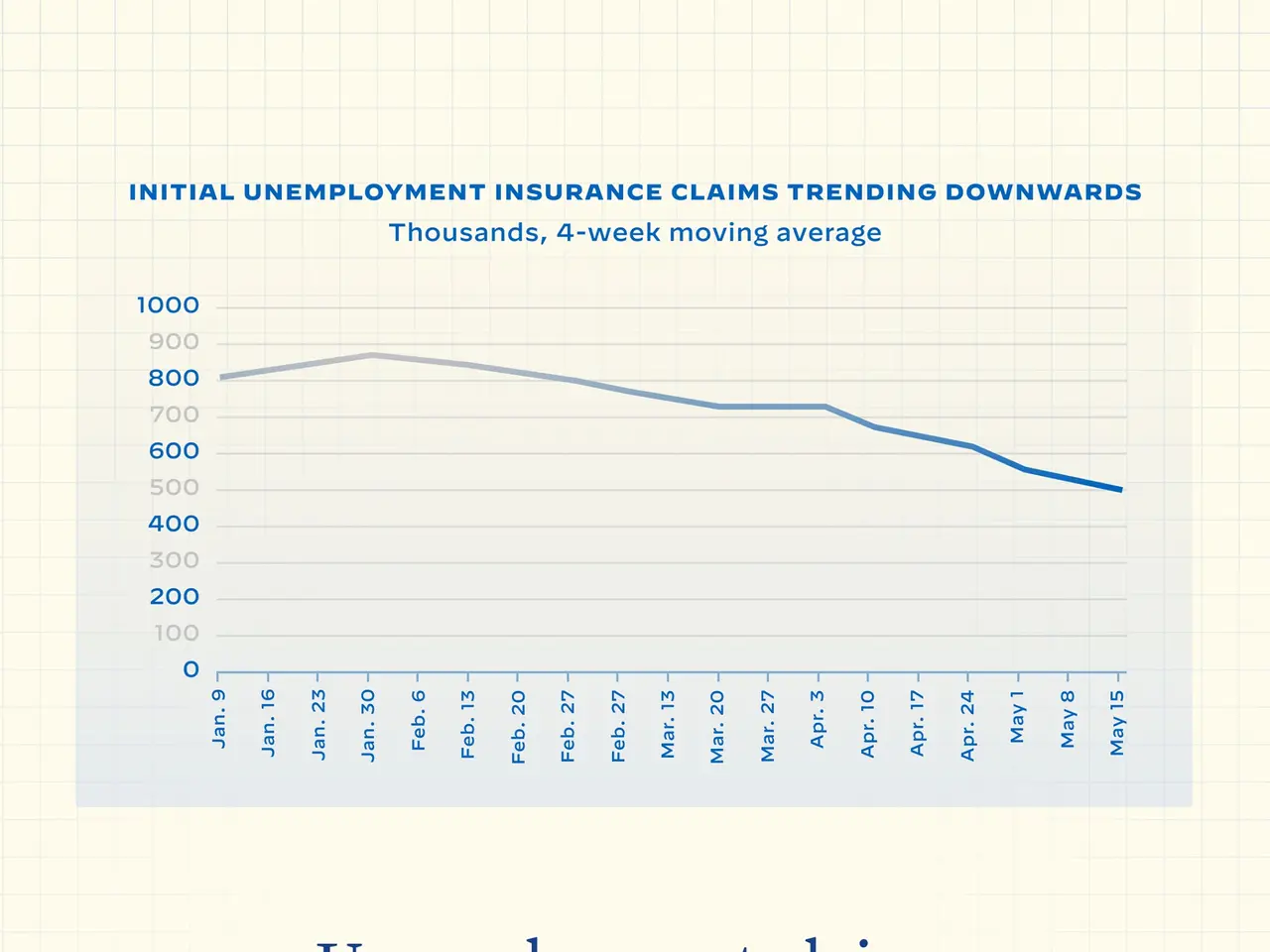
Unemployment in the Wiesbaden area has shown mixed trends in March. While the overall jobless rate dropped to 7.1 percent, the city itself saw a slight rise to 8.2 percent. Experts point to seasonal shifts and a cautious hiring climate as key factors behind the changes. The latest figures reveal a modest improvement in the regional labour market. Across the Wiesbaden Employment Agency district, unemployment fell to 7.1 percent in March, with 151 fewer people out of work compared to February. However, the number of jobless residents remains 573 higher than the same month last year.
In Wiesbaden city, the situation was less positive. Unemployment climbed to 8.2 percent, leaving 13,478 people without work—368 more than in March 2025. Meanwhile, the neighbouring Rheingau-Taunus district recorded a lower rate of 5.3 percent, showing only a slight increase. Job vacancies tell a contrasting story. Though 651 new positions opened in March, 2,288 roles remain unfilled, suggesting a mismatch between skills and employer demands. Monika Kessler of the Employment Agency noted that spring often brings a gradual decline in unemployment, but hiring remains slow. Companies are picking candidates carefully, while jobseekers face delays in securing work. Sector differences are also clear. Services, healthcare, retail, and construction are actively recruiting, while industrial jobs continue to shrink. For the first time, transport and logistics have also seen employment cuts. Nearly 70 percent of the unemployed now depend on basic welfare benefits, highlighting ongoing financial strain.
The labour market is shifting, but progress is uneven. While some areas see falling unemployment, others struggle with rising numbers and persistent skill gaps. With industries like manufacturing and logistics cutting jobs, the road to stable employment remains uncertain for many.