
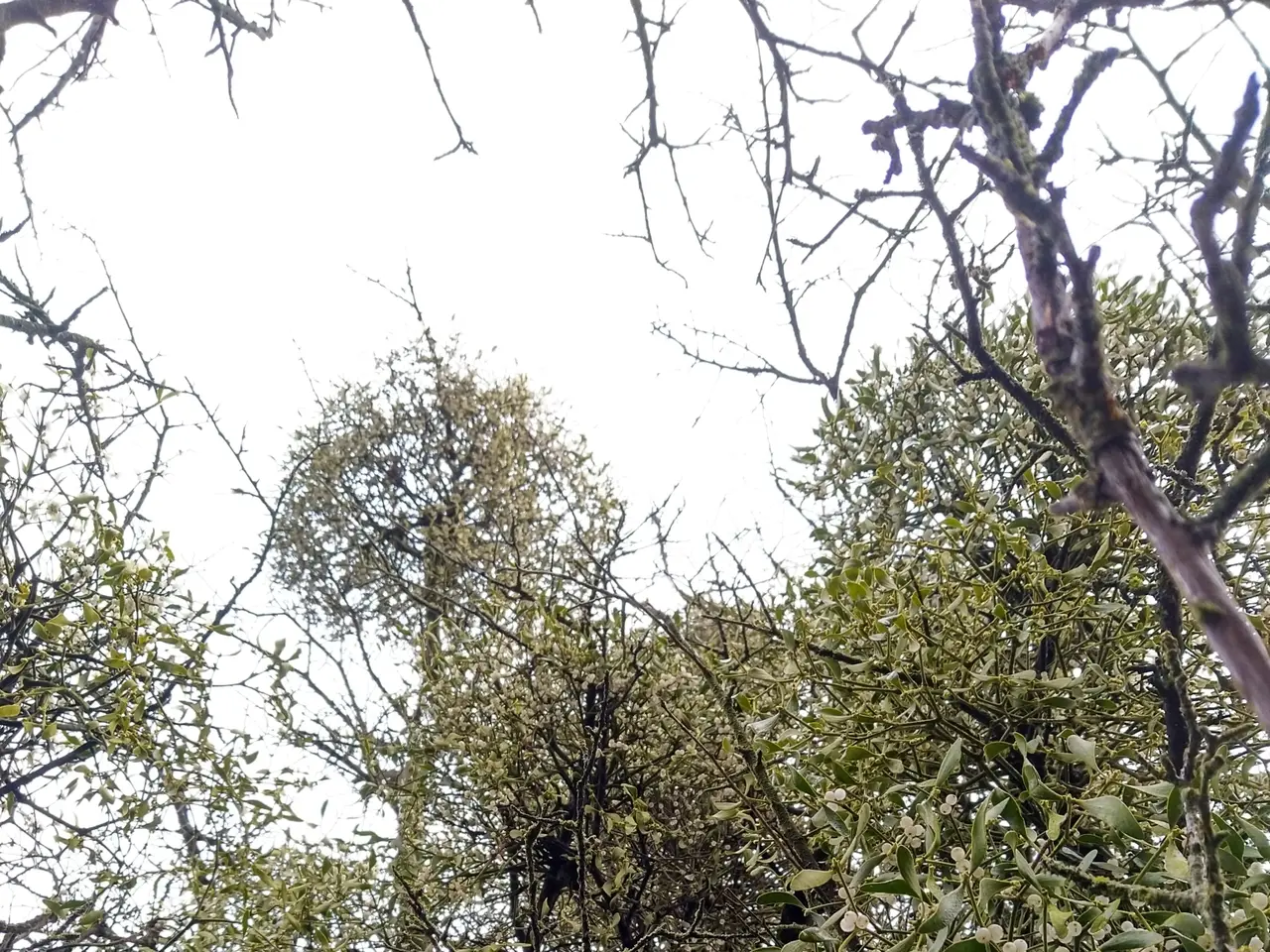
Parasitic mistletoe threatens Germany's iconic orchard meadows and apple trees
A parasitic plant is putting Germany's traditional orchard meadows at risk. Broadleaf mistletoe, which spreads through bird-dropped seeds, is weakening and even killing fruit trees—especially apple trees. Conservation groups in Hessen are now urging action to control its spread before more damage is done.
Mistletoe attaches itself to trees, draining their water and nutrients. In hot, dry summers, infested trees struggle to survive, and severe cases can lead to their death. The plant also makes branches more likely to snap under heavy snow, creating wounds that let in diseases.
Organisations like the DVL Hessen and the Hessian Traditional Orchard Meadow Center are warning of the threat. They highlight that these meadows support up to 5,000 species of plants and animals, making their protection vital. Other groups, including the HLB, NABU Hessen, the Hessian Fruit Growing Association, and the Hessian Agency for Nature Conservation, are working together to monitor and reduce mistletoe infestations.
Unlike some protected species, mistletoe can be removed at any time—except when harvested for sale. The SZH (Stiftung Kulturlandschaft Hessen) and DVL (Deutscher Verband für Landschaftspflege) offer guidance on safe removal methods. Experts point to climate change and neglected maintenance as key reasons for the plant's rapid expansion across Germany.
The initiative calls on landowners and volunteers to check their trees and cut back mistletoe. Without intervention, the parasite could further damage orchards already under pressure from changing weather patterns.
Mistletoe removal is now a priority for preserving Hessen's orchard meadows. Landowners and conservationists are being encouraged to act quickly, as delayed efforts could lead to more tree losses. Support and advice are available from local environmental organisations to help manage the problem effectively.