Mobile Check Fraud Exploits Weaknesses in Bank Deposit Systems
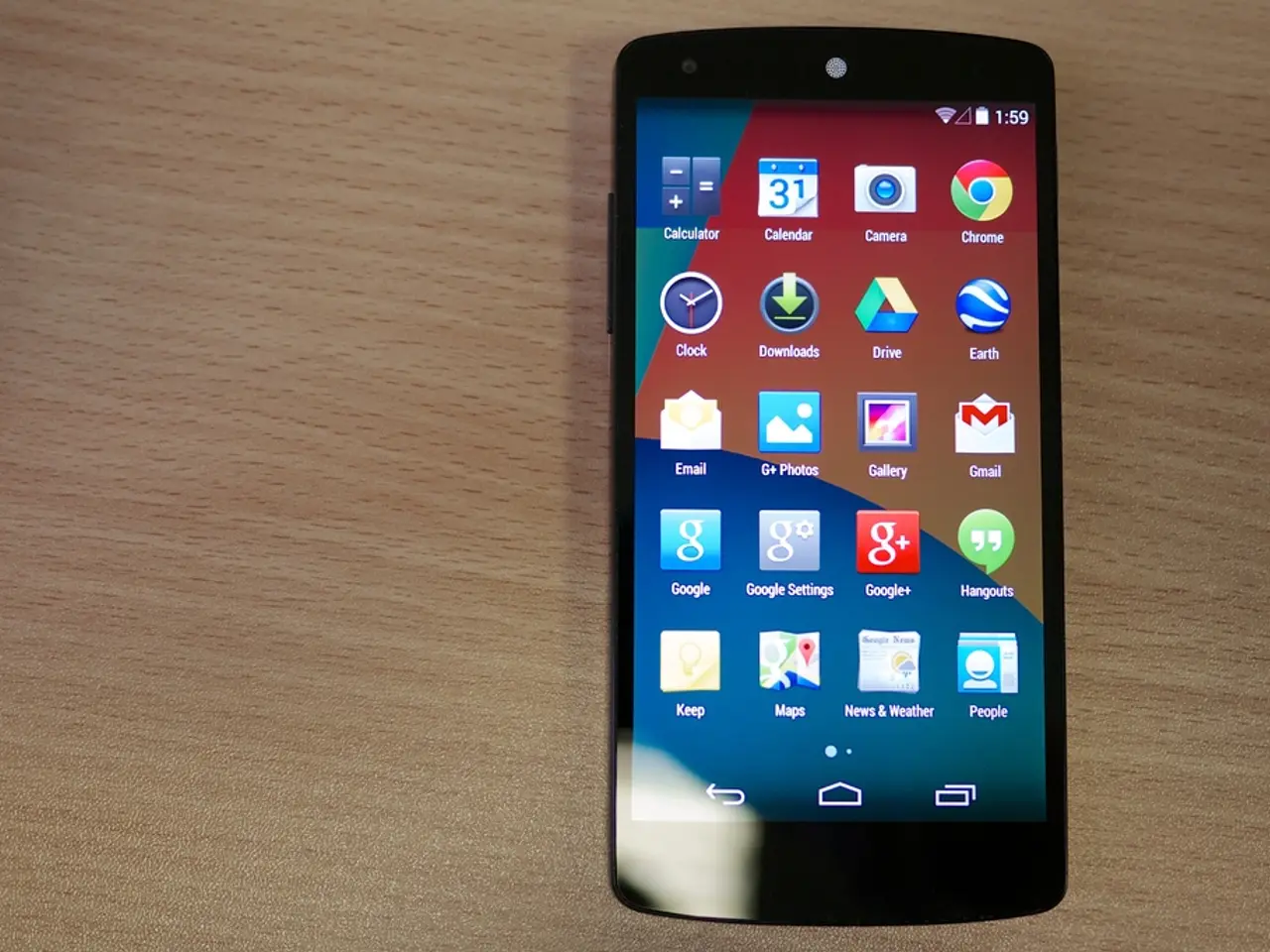
Mobile banking has made depositing checks easier than ever. Customers can now snap a photo of a check with their phone and submit it through an app. But this convenience comes with risks, as criminals find ways to exploit the system for fraud.
A Kentucky man, Boma Robert Spero-Jack, was recently arrested for stealing over $12,000 from Kroger stores. He used mobile remote deposit capture (mRDC) to deposit the same money orders multiple times before cashing them. His case highlights a growing problem: banks struggle to detect when a check is deposited both digitally and in person.
Several US banks, including Preferred Bank, Security Federal Savings Bank, ServisFirst Bank, Partners Bank, and Metro City Bank, offer mRDC through their apps. The system allows customers to keep the physical check after depositing it digitally. This creates an opportunity for fraud—someone could deposit the same check at multiple banks or branches. Julie Conroy, a research director, noted that banks have not yet faced major losses from this type of fraud. However, she warned that it is becoming a bigger concern. Robert McGarvey, a financial reporter, believes organized criminal groups could soon target this weakness. The issue is made worse by delays in detecting duplicate deposits, as banks cannot always spot them in real time. Regulations around mRDC also add to the risk. If a second deposit harms the person who wrote the check, banks could face heavy penalties under the consequential damages provision.
The rise of mobile check deposits has brought convenience but also new vulnerabilities. Banks must now find ways to prevent duplicate deposits and protect customers from fraud. Without better safeguards, the system could become an easy target for more sophisticated criminal operations.