Luxembourg cracks down on VAT fraud in cross-border e-commerce payments
Luxembourg has passed a new law to combat VAT fraud in cross-border transactions. The legislation aligns the country's rules with wider EU efforts to tighten controls on e-commerce payments. It will come into force on 1 January 2024. The law requires all payment service providers in Luxembourg to keep electronic records of cross-border payments. This obligation kicks in if a provider processes more than 25 transactions to the same payee within a single quarter. The rules also set out how to calculate payment thresholds and pinpoint the locations of payers and recipients.
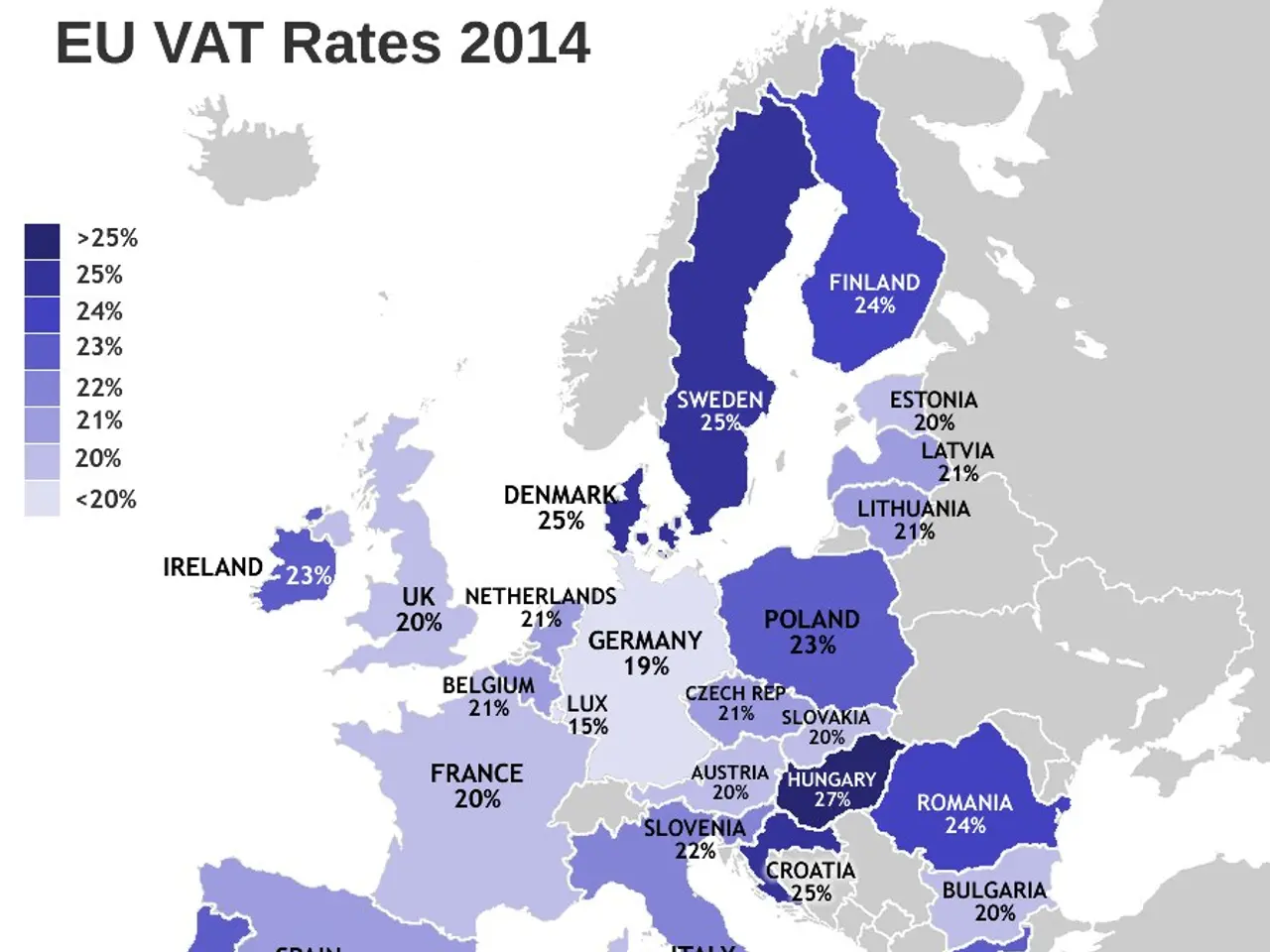
Alongside recordkeeping, the legislation introduces new administrative tools to tackle VAT fraud in international e-commerce. Luxembourg's move follows similar steps by at least nine other EU countries. Italy has enforced mandatory e-invoicing since 2019, while Belgium, Denmark, Germany, France, Greece, Croatia, and Poland will implement their own systems by 2025 or 2026. Spain also has plans to introduce comparable measures. The changes form part of broader EU initiatives, including the VAT in the Digital Age (ViDA) package. These reforms aim to standardise fraud prevention across member states and close loopholes in cross-border trade.
From next year, payment providers in Luxembourg must track and document cross-border transactions more closely. The law targets VAT fraud by enforcing stricter recordkeeping and reporting standards. It brings the country in line with EU-wide efforts to secure e-commerce revenue.