So Many Students Will Receive a Tablet This Summer - Lower Saxony rolls out free tablets for all seventh graders by 2030
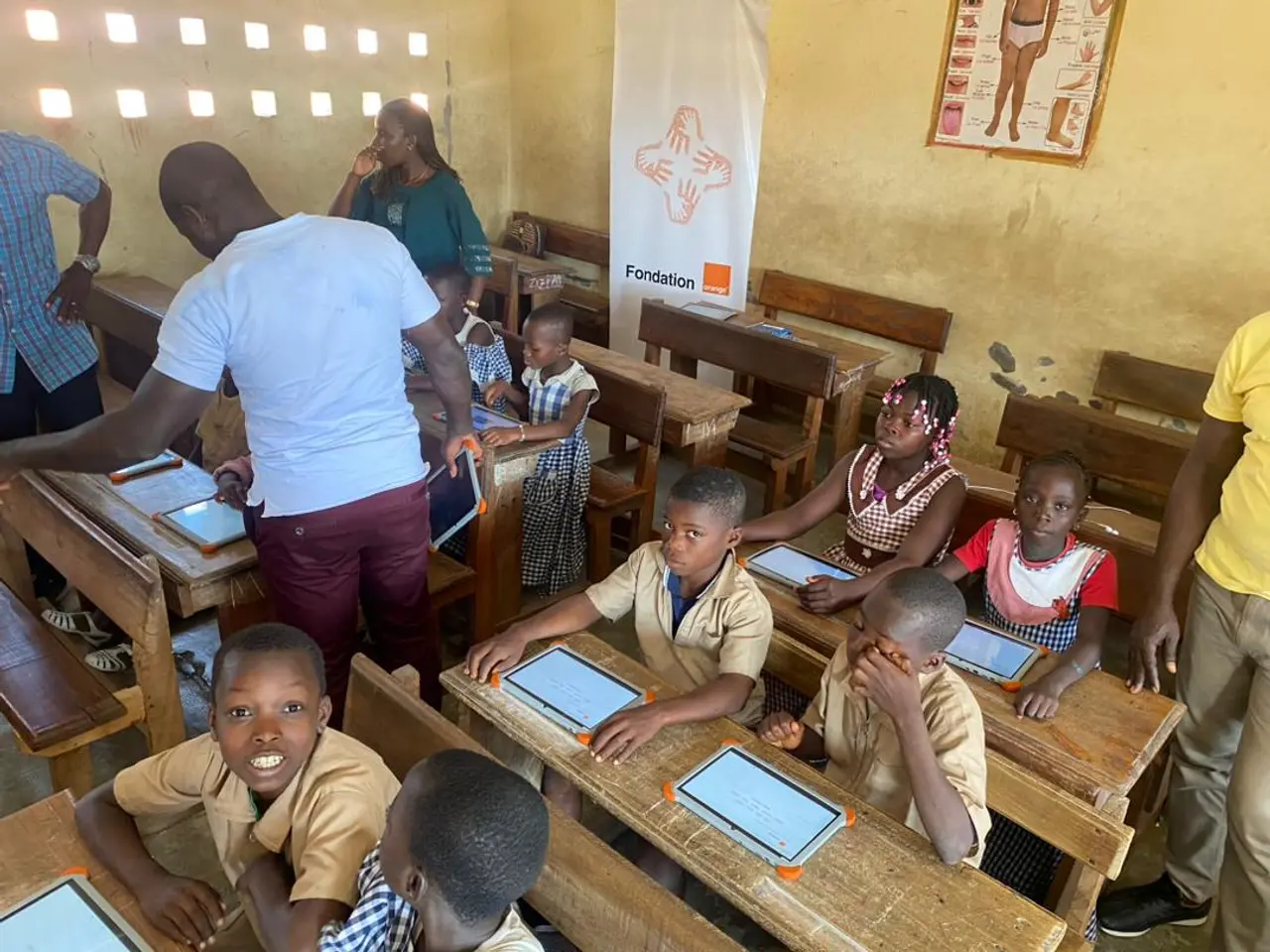
Seventh graders in Lower Saxony will receive free tablets starting next school year. The state plans to distribute over 169,000 devices, including spares and equipment for teachers. The initiative aims to expand digital learning across schools by 2030.
The programme will cover around 76,000 students entering seventh grade this summer. Schools will order devices through IT.Niedersachsen, with tablets and notebooks delivered directly. Four models will be available: the Apple iPad (11th Generation), Samsung Galaxy Tab S10 Lite, Lenovo 100e Chromebook (Gen 4), and Lenovo ThinkPad E14 (Gen 7) for students with special needs.
Tablets will come with a screen protector, keyboard case, stylus, and charger. Notebooks, however, will only include a charger. Students will keep their tablets when moving to eighth grade, while new seventh graders in 2027 will receive fresh devices. The state expects all students from grades seven to ten to have tablets by the 2029/30 school year. The project’s total cost is estimated at up to €800 million through 2030/31. Loan terms for the devices are still under discussion.
The scheme will roll out gradually, ensuring wider access to digital tools in classrooms. By 2030, every student in grades seven to ten should have a tablet. Schools will manage orders and distribution through the state’s IT service provider.