Komi's Volunteer Firefighters Gain New Gear to Battle Remote Blazes
The Republic of Komi has bolstered its volunteer fire brigades with new equipment and funding. In 2025 alone, these teams tackled 91 blazes, extinguishing six on their own. The government and private partners have invested in gear and training to support their crucial role in remote areas.
Between 2021 and 2024, the Komi government earmarked 6 million rubles in subsidies to enhance volunteer fire units. In 2025, an additional 1.58 million rubles funded 36 sets of specialized firefighting gear, 58 hoses, and nine backpack forest fire extinguishers. The equipment was distributed to remote settlements, particularly in Pechora, Usinsk, Udorsky, Ust-Tsilma, and Ust-Kulom districts—where spring floods often isolate villages.
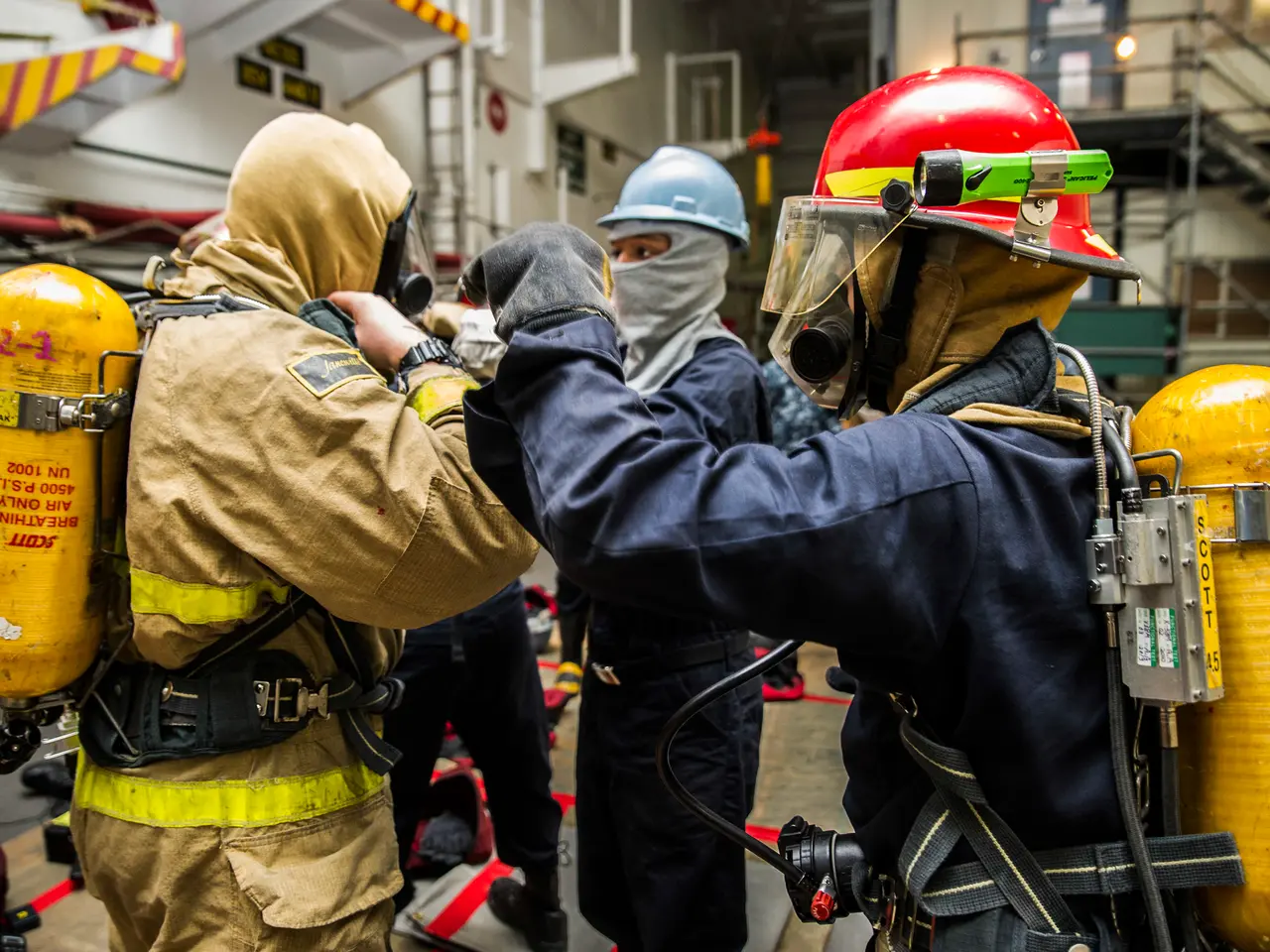
Under a cooperation agreement with LUKOIL, 15 municipalities received 300 sets of firefighting gear. Each kit includes second-class firefighting suits, heat-resistant boots, helmets, gloves, and harnesses. The Volunteer Fire Brigade of Komi now has 1,059 members, 43 fire trucks, and 230 portable pumps, serving 158 settlements with nearly 20,000 residents.
Volunteers are often the first responders in isolated areas, halting fires before they spread. Their training and equipment have been prioritized to ensure safety and effectiveness in emergencies.
The new funding and gear aim to heighten the readiness of Komi's volunteer firefighters. With better resources, they can react faster to fires in hard-to-reach communities. Their work remains vital in preventing larger outbreaks across the region.