Iran unveils 10 million rial banknote as inflation hits record highs
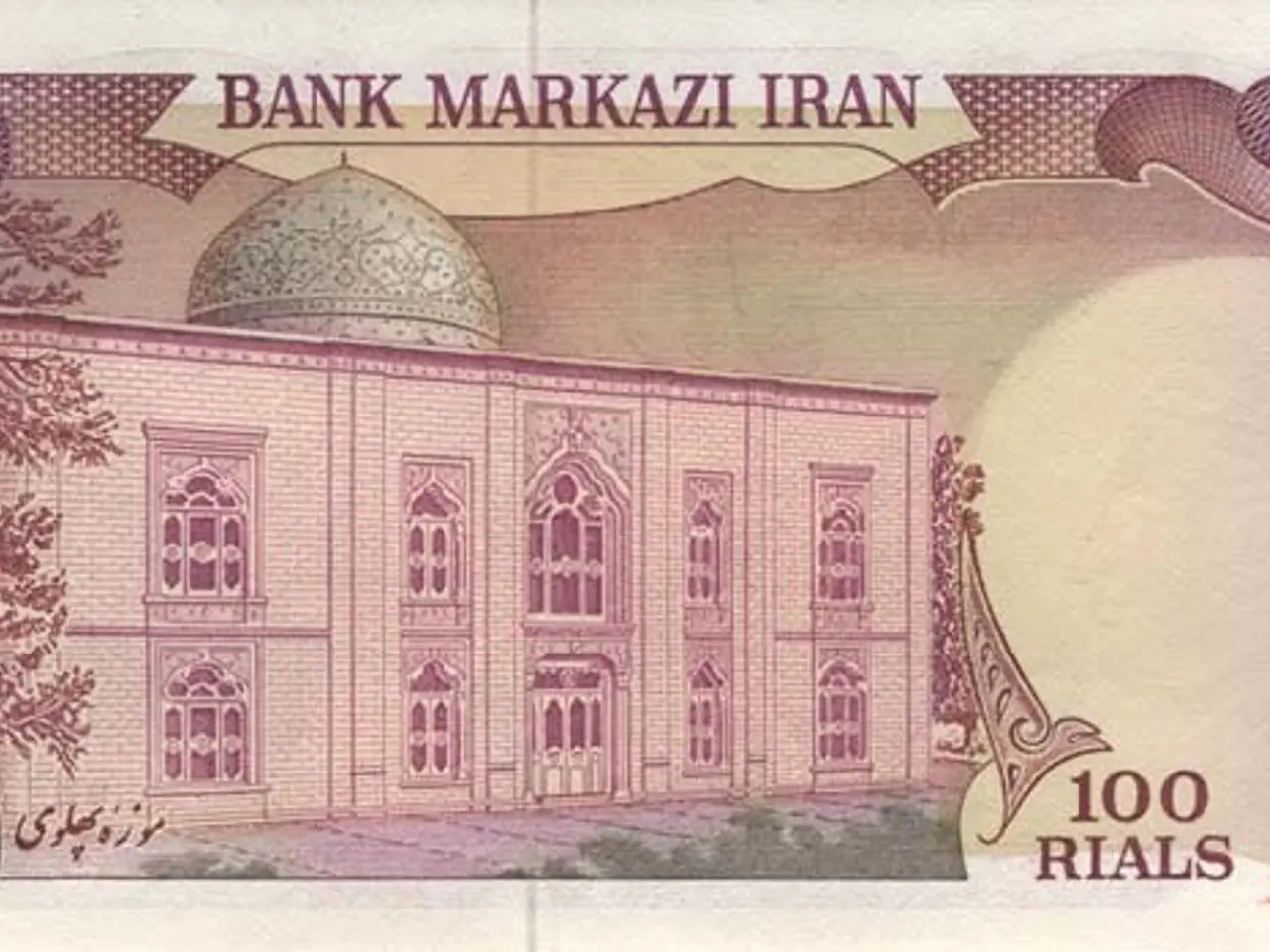
Iran has introduced its highest-value banknote ever—a 10 million rial bill. The move comes as inflation soars and citizens rush to withdraw cash amid fears over electronic payment systems. Long queues have formed outside banks and ATMs since the new notes began circulating this week.
The Central Bank of Iran released the 10 million rial note to ease cash shortages. Previously, the largest denomination was 5 million rials, which now holds far less purchasing power due to inflation hitting 47.5% year-on-year in early February. The new bill, worth roughly $7 USD, aims to reduce the bulk of physical currency needed for daily transactions.
Banks have struggled to meet demand as people line up to withdraw money. Many ATMs have run out of cash, despite withdrawal limits imposed by financial institutions. The surge in demand follows concerns that electronic payments could fail during the ongoing US-Israel conflict, adding pressure to an already strained economy.
The rial has sharply devalued, trading at around 1.6 million to the dollar. The new banknote reflects both the currency's decline and the challenges of managing cash in a high-inflation environment.
The 10 million rial note is now Iran's highest denomination, addressing immediate cash-flow issues. However, its introduction highlights deeper economic struggles, including inflation, sanctions, and the impact of regional conflicts. Banks continue to restrict withdrawals as demand for physical currency remains high.