Hesse's Police Face Backlash Over Expanded Role in Deportations
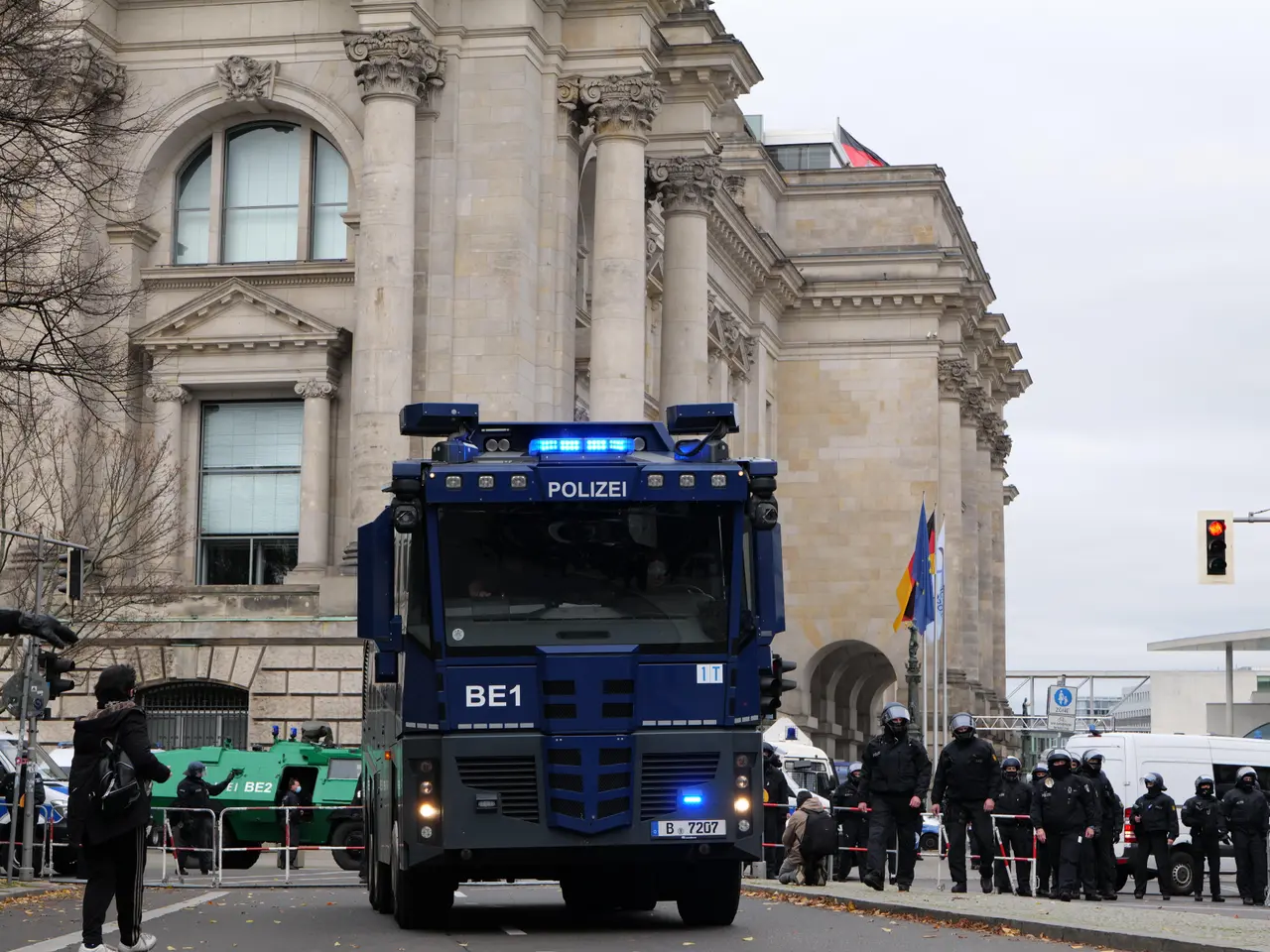
A dispute has erupted over plans to expand police involvement in deportation operations in Hesse. Interior Minister Roman Poseck proposed giving officers broader powers to track and detain individuals facing removal. The German Police Union (GdP) has strongly opposed the move, warning it could weaken core policing duties.
Minister Poseck unveiled the proposal after presenting Hesse's deportation figures for January. He suggested using police resources to systematically locate, monitor, and detain people subject to deportation. To improve success rates, he also called for 'technical means'—such as phone tracking—to find individuals who often evade authorities by not being at their registered addresses.
GdP chairman Jochen Kopelke criticised the plan, comparing it to the controversial methods of the U.S. Immigration and Customs Enforcement (ICE). He argued that redirecting officers to deportation tasks would divert them from crime prevention, counterterrorism, and emergency response. Instead, Kopelke insisted police should prioritise executing outstanding arrest warrants for criminals.
The GdP further demanded that immigration agencies address their own enforcement failures rather than relying on police support. Kopelke stressed that the proposed shift would undermine public safety and strain already limited resources.
The debate highlights tensions between immigration enforcement and traditional policing roles. Poseck's proposal would require officers to take on additional surveillance and detention duties. Meanwhile, the GdP insists the focus should remain on tackling crime and maintaining public order.