Germany's energy shift: Renewables rise but fossil fuel imports persist
Energy supply is a cornerstone of both the economy and society: electricity, heat, and fuels power industrial production, mobility, and private households. Secure, affordable, and reliable access to energy is vital for prosperity, economic growth, and domestic and foreign policy capacity. In Germany, a significant share of the energy needed still comes from abroad. In 2024, around 68 percent of the country's energy demand was met through imports, with only 32 percent sourced from domestic production.
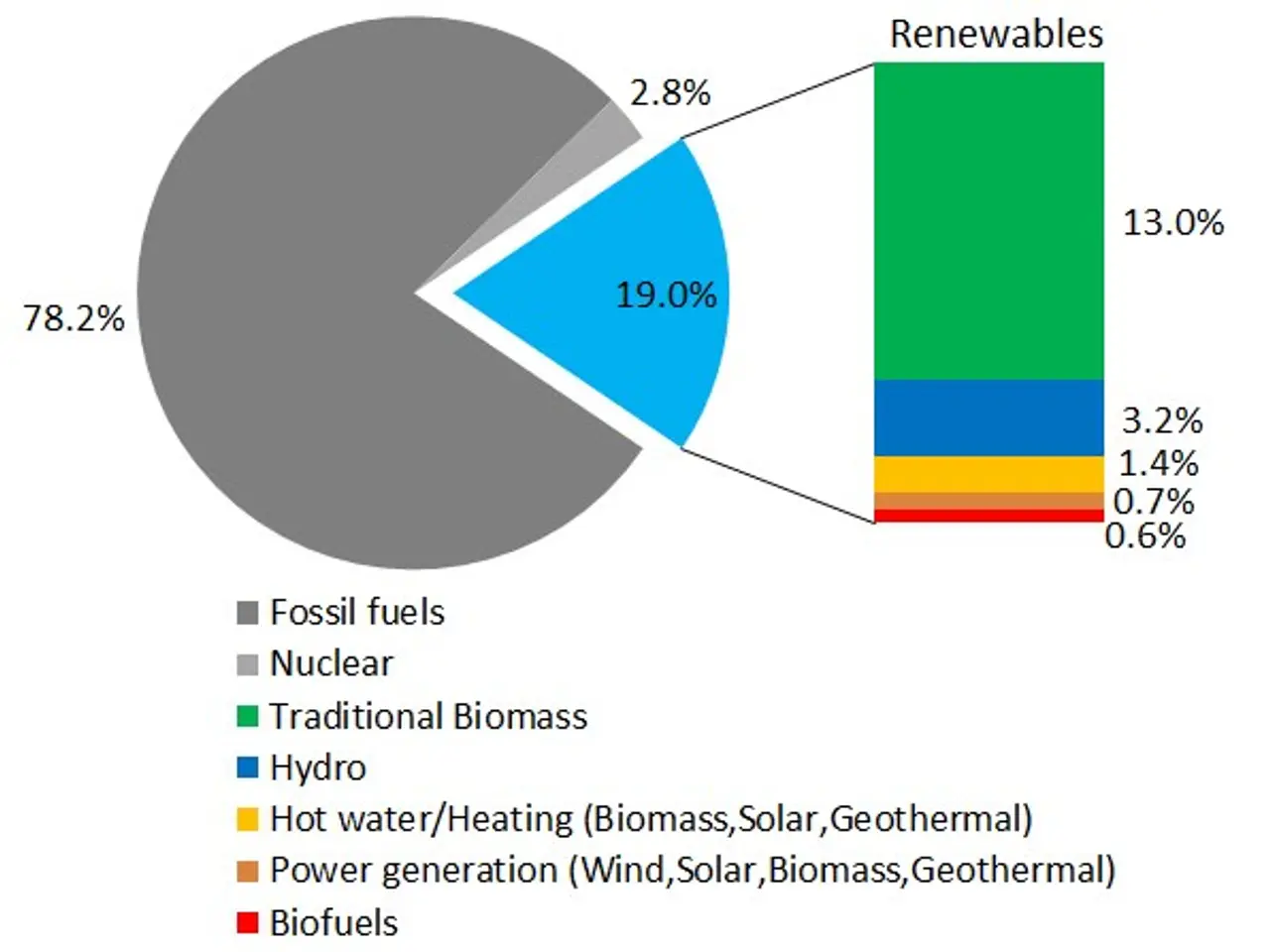
Dependence is particularly high for fossil fuels: roughly 99 percent of mineral oil and about 94 percent of natural gas are imported. This underscores Germany's reliance on foreign energy supplies, even as other sources—such as renewables—are primarily generated at home. Yet in 2025, fossil fuels remained the dominant energy source, accounting for four-fifths of total primary energy consumption, with renewables making up just one-fifth.
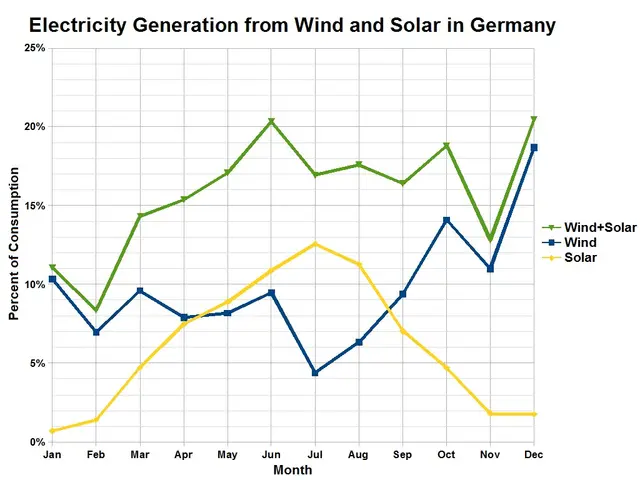
At the same time, domestic renewable electricity generation has grown substantially. According to data from the Fraunhofer Institute for Solar Energy Systems (ISE), renewables accounted for roughly 62 percent of public net electricity generation in 2025, driven largely by wind and solar power. As a result, direct import dependence in the electricity sector has declined significantly.