Germany's Deutschlandticket now offers free bike transport in select states
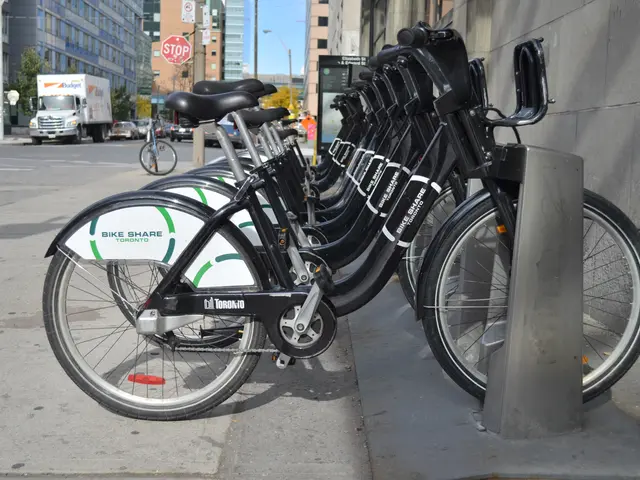
Travelling with a bicycle on Germany's public transport just got easier for Deutschlandticket holders. The €63 monthly pass already covers unlimited bus, tram, S-Bahn, and regional train journeys nationwide. But new rules now allow free bike transport in several states—if passengers follow the local conditions.
The Deutschlandticket itself does not automatically include bicycle transport. Whether riders must pay extra depends on the federal state, transport association, or even the time of day. Some regions, however, have introduced generous exemptions.
In **Thüringen**, bike transport is entirely free for ticket holders. **Sachsen-Anhalt** also permits free bicycle travel across its network. **Rheinland-Pfalz** allows it without charge except on weekdays before 9:00, when a €6.50 fee applies. **Hamburg** offers free bike transport on U-Bahn, S-Bahn, most buses, and ferries—but restricts it during peak hours (6–9 am and 4–6 pm, Monday to Friday). Sachsen has a more complex system. Free bike transport is available in specific *Verkehrsverbünde* like Mittelsachsen and Vogtland (with a *Verbundkarte*), as well as Oberelbe (with a *Verbundzeitkarte*, except on certain weekdays). Outside these zones, moving between *Verkehrsverbünde* costs €7.50.
Passengers with the Deutschlandticket can now avoid extra bike fees in multiple states—provided they check local rules first. The changes, set to remain in place until at least 2026, make cycling and public transport a more affordable combination. But timing and regional policies still play a key role in whether the service stays free.