Germany's C-Factory to Revolutionize Construction with Carbon Concrete by 2029
A new project aims to bring carbon-reinforced concrete into mass production by 2029. The technology, which makes structures lighter and more durable than traditional steel-reinforced concrete, will be scaled up at a pilot plant in Leipzig. The initiative follows the success of the world's first carbon concrete building, the CUBE in Dresden. The project, named C-Factory, is led by Leipzig-based firm Kahnt & Tietze GmbH. It has secured around €14 million in funding from Germany's Federal Ministry for Economic Affairs and Climate Action. Over the next four years, a pilot plant will be built and tested in Leipzig to refine the production process.
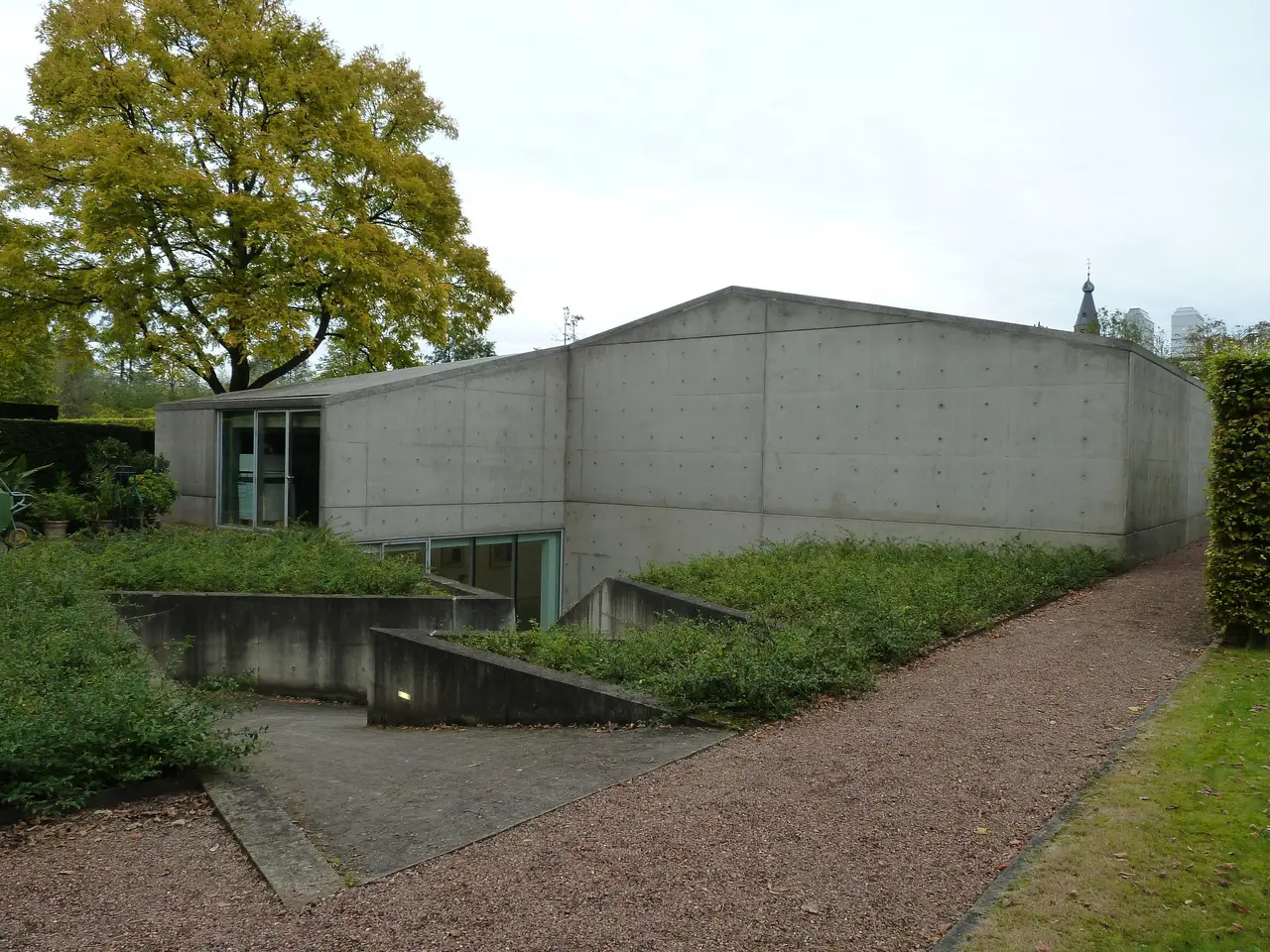
The technology builds on the achievements of the **Carbon Concrete CUBE** at **TU Dresden**, which demonstrated the material's potential. Carbon-reinforced concrete uses significantly fewer resources—up to **80% less** than traditional methods—while offering greater strength and flexibility. The project involves collaboration with **TU Dresden** and **Leipzig University of Applied Sciences**, along with other industry partners. By the end of **2029**, the team aims to establish large-scale industrial production. This would allow wider adoption in construction, reducing material waste and improving structural efficiency.
The pilot plant in Leipzig will serve as a key step toward commercialising carbon-reinforced concrete. If successful, the technology could transform construction by cutting resource use and extending building lifespans. The project's completion is set for late 2029, with industrial-scale production as the ultimate goal.