Germany's BKA marks 75 years as Merz calls for stronger digital crime laws
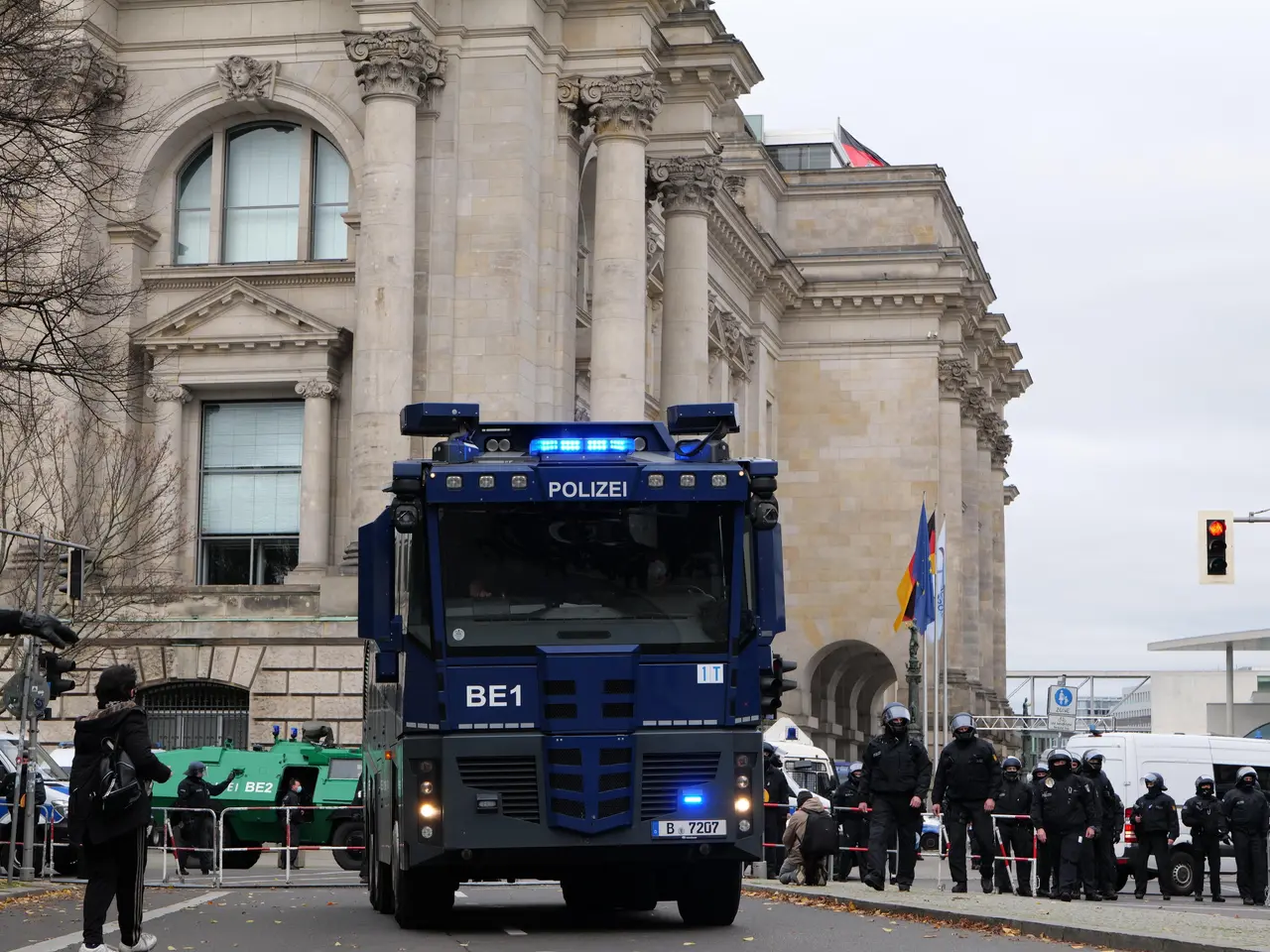
Chancellor Friedrich Merz attended the 75th anniversary celebrations of the Federal Criminal Police Office (BKA) in Wiesbaden. The event began with a musical performance by the Federal Police Orchestra Hanover, setting a lively tone for the occasion. During his speech, Merz highlighted the BKA's critical role in maintaining security amid rising concerns over crime and digital threats.
The ceremony kicked off with the orchestra's 'Rock/Pop Unit' playing the Top Gun theme. Chancellor Merz then took the stage to praise the BKA's work over the past seven decades. He emphasised its success in tackling cybercrime, counterterrorism, and organised crime, calling it a cornerstone of Germany's safety.
Merz acknowledged ongoing public anxiety, pointing to record levels of violent crime, including knife attacks and politically motivated offences. He also referenced disinformation campaigns and drone overflights since Russia's invasion of Ukraine, which have added to unease. Despite these challenges, he insisted Germany remains one of the world's safest countries, crediting the BKA's efforts. The chancellor pushed for expanded powers for the agency, including 'mandatory retention of IP addresses' to better fight online crime. Addressing recent U.S. strikes on Iran, he downplayed fears of a heightened threat level in Germany. After the event, Merz travelled to Norway for further engagements. Since its founding in 1951, the BKA has worked alongside the Bundesamt für Verfassungsschutz (BfV), which focuses on threats like extremism and espionage. While the BfV monitors cyber threats to state security, the BKA handles criminal investigations, such as hacking cases under the 2017 IT-Sicherheitsgesetz reforms.
The anniversary event underscored the BKA's growing importance in a rapidly changing security landscape. Merz's call for stronger digital surveillance reflects the government's push to address evolving threats. The agency's role, alongside the BfV, remains central to protecting Germany's democratic order and public safety.