Germany cracks down on fuel price hikes with tougher antitrust laws
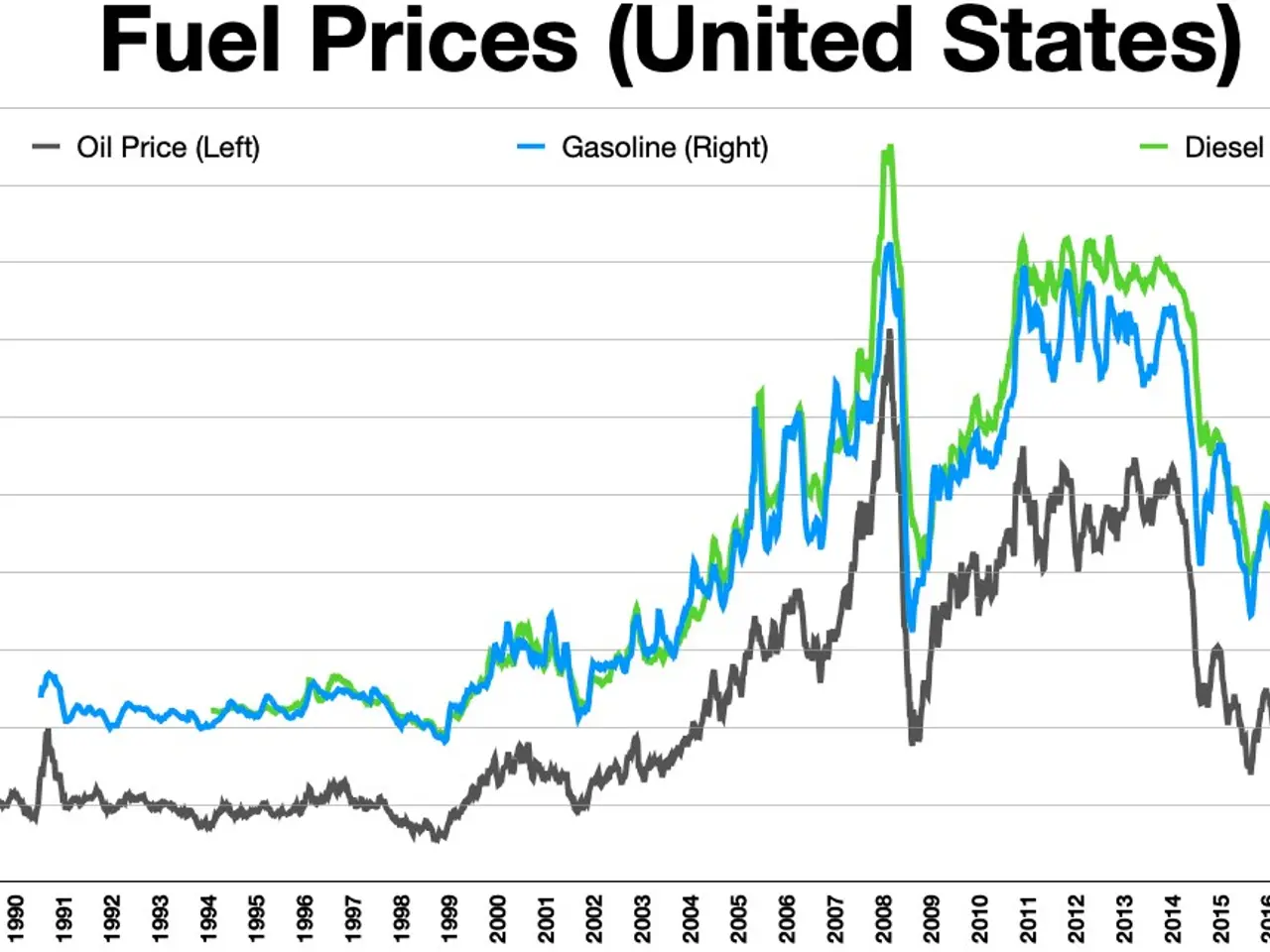
Bergisches Land – Amid persistently high fuel prices, CDU lawmaker Jürgen Hardt has defended the federal government's actions while signaling further steps ahead. Commuters and rural residents are currently hit hardest by the costs, Hardt stated. "Driving a car must not become a luxury."
Criticism of Oil Companies
The foreign policy expert sees the behavior of oil corporations as the primary driver behind Germany's particularly sharp price hikes. These companies, he argues, are exploiting the current situation excessively. For Hardt, the solution is clear: "The state must intervene more forcefully to stop unfair market practices."
New Rules to Boost Competition
To counter this, the Bundestag has approved stricter antitrust measures. Oversight of wholesale fuel trading will be expanded to strengthen competition.
Additionally, the frequency of price changes at gas stations will be limited—following the so-called "Austrian model." The goal is to increase transparency and curb short-term price spikes.
Task Force Monitors Iran Conflict
Meanwhile, a dedicated task force is tracking the economic fallout from the Iran conflict. This body regularly assesses whether additional relief measures for consumers are needed.
No Subsidies Planned
Hardt currently opposes direct state subsidies for fuel prices. Past experience, he notes, shows that tax breaks often fail to reach citizens, instead padding the profits of oil companies.
Hope for Easing in the Middle East
Looking at the global situation, the CDU politician struck a cautiously optimistic note. There are "reasonable grounds for hope" that tensions in the Middle East may ease in the near future—which could, in turn, relieve pressure on energy prices.
Further Measures Possible
If the current steps prove ineffective, Hardt pledged additional action: "If these measures don't deliver results, further dampening steps will follow—with my full support."