Germany considers VAT hike to fund tax relief for struggling households
The German government is weighing a rise in value-added tax (VAT) as part of wider budget reforms. Officials are considering an increase from the current 19% to 21% or even 22%. The move aims to fund cuts in income tax or social security contributions, easing pressure on households still struggling after the 2022 energy crisis.
The proposal has sparked debate within the governing 'grand coalition' of CDU/CSU and SPD. While some see it as a way to support low- and middle-income earners, others warn of the risks for those already facing financial strain. Germany's standard VAT rate has stood at 19% for years, with a reduced 7% rate applied to essential goods. Now, discussions include raising the main rate by two percentage points, which could bring in around €31 billion extra per year. The Social Democrats (SPD) have suggested this increase as a means to fund income tax relief for lower earners.
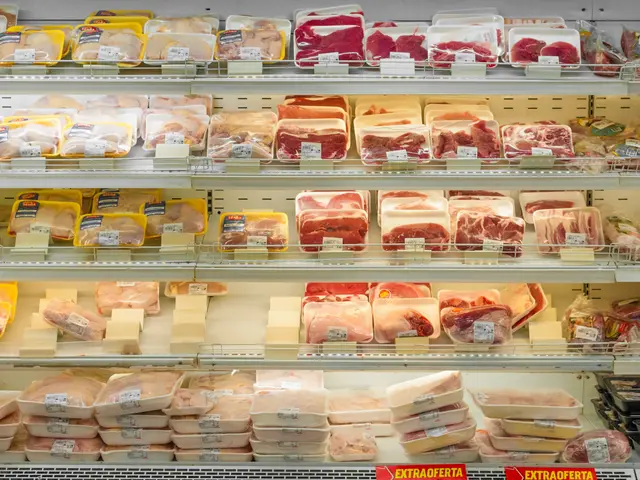
Representatives from the conservative CDU/CSU bloc have shown openness to the idea—but only if paired with a clear reduction in social security contributions. Meanwhile, some officials have proposed cutting the reduced VAT rate further, potentially to 4% or even removing it entirely on food. This would help offset the impact on low-wage workers.
The Finance Ministry has examined multiple scenarios for the VAT adjustment. However, the proposal faces strong opposition within the coalition. Critics argue that higher VAT would disproportionately affect households already grappling with rising energy costs. The debate reflects broader tensions over how to balance fiscal needs with fairness for struggling families. The VAT increase remains under discussion as part of a larger reform package. If approved, it would fund tax or social contribution cuts, particularly for low- and middle-income earners. The final decision will depend on whether the coalition can resolve internal disagreements over its economic impact.